
Uncategorized
How to Arrange Furniture in a Small Living Room: 7 Tips
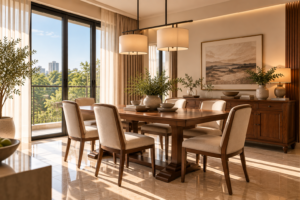
A small living room can still feel comfortable, elegant and practical with the right furniture arrangement. The challenge is finding enough space for seating, storage and everyday activities without making the room feel crowded.
The secret is not simply choosing smaller furniture. It is understanding how each piece fits into the room, preserving clear walking routes and making every area serve a purpose. A well-planned layout can help even a compact Singapore apartment feel more open and organised.
Whether you are furnishing a new home or rearranging your existing living room, these seven space-saving tips will help you make better use of the space you have.
1. Measure Your Living Room Before Choosing a Layout
Before moving furniture, measure the room and identify the features that affect your layout. These include doors, windows, electrical outlets, built-in cabinets and the main routes people use to walk through the space.
Next, measure your existing furniture, including the sofa, coffee table, TV console and accent chairs. This helps you understand how much floor space remains once everything is in place.
If you are buying new furniture, check the product’s width, depth and height rather than relying on showroom photographs. A sofa may look compact on its own but occupy a significant amount of space once you account for its arms, cushions and surrounding furniture.
A simple floor plan or masking tape on the floor can help you test different arrangements before moving heavy pieces.
Practical tip: Prioritise one comfortable seating area and a clear walking route before adding decorative furniture.
2. Position the Sofa to Make the Most of Your Space
The sofa usually occupies the largest area in a living room, so its position has a significant effect on the rest of the layout.
In a narrow living room, placing the sofa along the longest suitable wall can help preserve a clear route through the space. If the room has a natural focal point, such as a television or large window, arrange the seating around it without blocking access.
For compact apartments, consider a two-seater sofa or a smaller three-seater instead of a bulky design with oversized arms and deep cushions.
A sofa with raised legs can also expose more of the floor beneath it, creating a lighter visual effect. However, comfort should remain a priority: a smaller sofa is only useful if it provides enough seating for your household.
You do not always need to push every piece of furniture directly against the wall. If the room allows, a small gap behind the sofa can add visual depth. In very compact spaces, however, placing it closer to the wall may be the more practical choice.
The best arrangement is the one that preserves usable space without compromising comfortable seating.
3. Choose a Coffee Table That Fits the Sofa
An oversized coffee table can make a small living room difficult to navigate. A table that is too small, on the other hand, may not provide enough surface area for drinks, books and everyday essentials.
Look for a coffee table that is proportionate to your sofa and leaves enough room for people to move around it.
As a starting point, approximately 40–45 cm between the sofa and coffee table often provides a useful balance between reach and movement. Adjust the distance according to the table’s shape, the sofa’s depth and the available floor space.
Consider these alternatives if your living room is particularly compact:
- Round coffee tables: Their curved edges can make movement around the table easier in tight layouts.
- Nesting tables: Smaller tables can be tucked away when not needed and separated when you need extra surfaces.
- Storage coffee tables: Drawers or shelves provide space for remote controls, magazines and other small items.
- Ottomans: Depending on the design, an ottoman can function as extra seating, a footrest or a surface with a suitable tray.
Choose based on how you actually use your living room. A simple table that fits comfortably is often more practical than a larger statement piece that obstructs movement.
4. Use Multi-Functional Furniture to Save Space
When floor space is limited, furniture that serves more than one purpose can reduce the number of separate pieces you need.
For example, a storage ottoman can hold blankets while providing additional seating. A coffee table with drawers can keep everyday items out of sight, while a TV console with closed storage can help organise electronics and accessories.
A compact side table may also serve as a display surface and a convenient place to put drinks, eliminating the need for several smaller tables around the room.
The key is to choose multi-functional furniture that suits your daily routine. A piece with too many compartments or complicated mechanisms may take up space without offering much practical value.
Before purchasing, ask yourself three questions:
- What will I use this furniture for most often?
- Can it replace another piece I already have?
- Will its additional function be easy to use every day?
If the answer is yes, the furniture is more likely to earn its place in your living room.
5. Make Use of Vertical Space
Floor space is not the only area available for storage. Walls can provide valuable room for displaying objects and organising everyday essentials.
Wall-mounted shelves, floating cabinets and tall, narrow bookcases can help you use vertical space without spreading furniture across the floor.
For a small living room, consider placing books, decorative objects or framed photographs on shelves instead of using several freestanding cabinets. A wall-mounted TV console may also free up some floor space, provided it is installed safely and suits your storage needs.
However, avoid filling every wall with shelves and decorations. Too many objects can make a compact room feel visually busy.
A more balanced approach is to combine closed storage with a few carefully selected decorative pieces. This keeps everyday items organised while preserving some visual breathing room.
If you have high ceilings, vertical storage can draw the eye upwards and make the room feel taller. Just ensure that frequently used items remain easy to reach.
6. Keep Walkways Clear and Create a Simple Layout
A small living room needs a clear route for people to move between the entrance, seating area and adjoining rooms.
Start by identifying the main walking path. Arrange the sofa, coffee table and other furniture around that route instead of allowing each piece to obstruct it.
As a general planning guide, aim for approximately 75–90 cm of clear space along a main walkway where possible. The ideal clearance depends on the room, the route’s frequency of use and the people moving through it.
Avoid placing a coffee table directly in the path between the sofa and the entrance. Similarly, ensure that doors can open fully and that nearby cabinets and drawers remain accessible.
You can also make the room feel more organised by grouping furniture into a defined seating area rather than spreading individual pieces across the entire room.
For example, position the sofa and coffee table together, add one compact accent chair if space allows, and keep the remaining floor area open.
A clear layout often makes a greater difference to everyday comfort than adding more furniture.
7. Use Lighting, Mirrors and Colours to Create a More Open Feel
Once the furniture layout works, a few visual adjustments can help the living room feel brighter and less crowded.
Keep windows unobstructed
Natural light can make a compact living room feel more open. Avoid placing tall cabinets directly in front of windows where they block daylight, and choose window treatments that can be opened easily.
Choose a balanced colour palette
Light neutrals, warm whites and soft beige tones can help create a cohesive appearance. You do not need to avoid darker furniture entirely, but balancing richer wood finishes with lighter walls, upholstery or textiles can prevent the room from feeling visually heavy.
Use mirrors thoughtfully
A mirror positioned to reflect a window or a bright part of the room can help distribute light visually. Its effect depends on what it reflects, so avoid positioning it where it simply reflects a cluttered corner.
Layer your lighting
Combine general lighting with a floor lamp, table lamp or wall light where appropriate. This allows you to create a comfortable atmosphere without relying on a single bright ceiling fixture.
Leave some floor visible
Furniture with raised legs can reveal more of the floor and create a lighter visual effect. Avoid filling every available corner simply because space remains.
The goal is not to make the room look empty. It is to balance furniture, light and open space so the room feels comfortable and intentional.
Common Mistakes to Avoid When Arranging a Small Living Room
Even a carefully selected furniture collection can feel awkward if the layout does not suit the room.
Buying furniture before measuring. Always check dimensions and account for doorways, walkways and the space required to use each piece.
Choosing an oversized sofa. Deep seats and bulky arms can take up more room than expected. Consider the sofa’s full dimensions, not just the number of seats.
Adding too many small pieces. Several small tables and chairs can create more visual clutter than a few well-proportioned items.
Blocking natural light. Tall furniture in front of windows can make a room feel darker and restrict access.
Ignoring storage needs. Without suitable storage, everyday items may accumulate on tables and seating areas.
Prioritising appearance over comfort. A beautiful layout should still allow people to sit comfortably, reach everyday items and move around safely.
Filling every corner. Some open floor space is useful. You do not need to occupy every gap with furniture or decorations.
Frequently Asked Questions
How do you arrange furniture in a very small living room?
Start by measuring the room and identifying its main walking route. Position the sofa along a suitable wall, choose a proportionate coffee table and add only the storage or extra seating you genuinely need. Keep doors and windows accessible.
Should a sofa be against the wall in a small living room?
Often, yes. Positioning a sofa near the wall can preserve floor space in a compact room. However, if the layout allows, pulling it slightly forward may create a more defined seating area. Test both arrangements before deciding.
What type of coffee table is best for a small living room?
Round coffee tables, nesting tables and compact designs with storage can work well. The best option depends on your sofa dimensions, walking space and how much surface area you need.
How can I make a small living room look bigger without renovating?
Keep the layout simple, preserve natural light, use appropriately sized furniture, organise everyday items and consider mirrors that reflect bright areas. These changes can improve the sense of space without structural work.
Is an L-shaped sofa suitable for a small living room?
It can be, provided its dimensions suit the room and it does not block the main walking route. In some layouts, a compact straight sofa with a movable accent chair offers greater flexibility.
How much space should I leave between a sofa and a coffee table?
Approximately 40–45 cm is a useful starting point for many arrangements. Adjust it to suit the furniture dimensions and ensure people can sit down, stand up and move around comfortably.
Find Furniture That Works for Your Living Room
A small living room does not need to feel cramped or lack character. With the right layout, proportionate furniture and practical storage, you can create a space that feels comfortable, organised and suited to everyday living.
Start with the room’s dimensions, choose furniture that fits your needs and preserve clear walking routes. Then add lighting, textiles and decorative details to bring the space together.
At Home of Homes, you can explore furniture designed to balance style and functionality, from comfortable sofas and coffee tables to storage pieces that complement your living space.
Discover furniture for your home:
https://www.homeofhomes.com.sg/
Explore our dining collection:
https://www.homeofhomes.com.sg/product-category/dining/