
Uncategorized
Color Psychology in Home Furniture
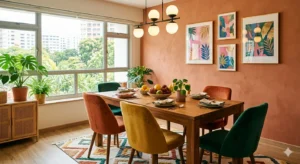
In Singapore homes, where space is often limited and layouts are carefully planned, every design choice matters. From furniture size to layout flow, homeowners are becoming more intentional but one factor that is often underestimated is colour.
Understanding color psychology in home furniture can transform how your space feels, functions, and even how you experience daily life. The right colours do more than look good, they influence mood, perception of space, and overall comfort.
Whether you are styling a compact HDB flat or a modern condominium, choosing the right furniture colours can make your home feel more spacious, calming, and cohesive.
What Is Color Psychology in Interior Design
Before applying it, it helps to understand what is color psychology in interior design.
Color psychology refers to how different colours affect human emotions and behaviour. In interior spaces, this translates into how a room feels whether it is calming, energising, warm, or sophisticated.
For example:
- Soft neutrals create a sense of calm and openness
- Dark tones add depth and sophistication
- Warm hues make a space feel cosy and inviting
When applied to furniture, colour becomes even more important because furniture often anchors the entire room.
How Colors Affect Mood at Home
Understanding how colors affect mood at home allows you to design spaces that truly support your lifestyle.
1. Light Colours Create Openness
In smaller Singapore homes, lighter tones such as:
- Beige
- Cream
- Soft grey
help reflect light and make rooms feel larger.
2. Warm Colours Add Comfort
Warm tones like:
- Light wood
- Soft browns
- Muted terracotta
create a welcoming and relaxed atmosphere, perfect for living areas.
3. Cool Colours Promote Calm
Blues and greens are often used in bedrooms because they:
- Reduce visual stress
- Encourage relaxation
- Support better sleep quality
4. Dark Colours Add Depth
When used carefully, darker tones like navy or charcoal can:
- Create contrast
- Add sophistication
- Define spaces in open layouts
Best Colors for Each Room in Singapore Homes
Choosing the best colors for each room ensures your home feels balanced and functional.
Living Room: Warm Neutrals and Balanced Tones
The living room is often the heart of the home, especially in HDB and condo layouts where it connects directly to dining areas.
Recommended Colours
- Warm beige
- Light wood tones
- Soft greys
These colours:
- Create a welcoming environment
- Pair easily with different furniture styles
- Make the space feel open yet cosy
Pairing these tones with pieces from modern sofa collections helps create a refined and cohesive look.
Bedroom: Soft and Calming Colours
Your bedroom should feel restful and uncluttered.
Recommended Colours
- Soft whites
- Muted blues
- Light greys
These shades:
- Promote relaxation
- Reduce visual noise
- Support better sleep
Furniture with subtle finishes, such as those found in the New Toulon collection, works well to maintain a calm and elegant atmosphere.
Dining Area: Warm and Inviting Shades
In Singapore homes, dining areas are often compact and integrated with the living space.
Recommended Colours
- Warm wood finishes
- Neutral tones with subtle contrast
These colours:
- Encourage social interaction
- Create a comfortable dining experience
- Blend seamlessly with adjacent spaces
Home Office or Study Area: Focus Driven Colours
With more people working from home, colour choice in workspaces has become increasingly important.
Recommended Colours
- Soft greens
- Neutral greys
- Light wood tones
These shades:
- Improve focus
- Reduce eye strain
- Maintain a calm environment
How to Apply Color Psychology in Singapore Homes
Applying colour effectively requires more than choosing what looks good—it involves understanding your space.
1. Work Within Your Space Constraints
In smaller homes:
- Stick to lighter base colours
- Use darker tones as accents
- Avoid heavy contrasts that break visual flow
2. Keep a Consistent Colour Palette
Consistency helps create a seamless look across rooms.
For example:
- Use similar wood tones throughout
- Repeat accent colours in different areas
3. Use Furniture as the Anchor
Furniture often carries the strongest visual weight in a room.
Choosing the right colour for key pieces such as sofas, beds, and dining tables helps define the overall aesthetic.
You can explore versatile options through space-saving furniture collections that combine functionality with balanced colour palettes.
4. Layer Colours Through Textures
Instead of using too many colours, introduce variation through:
- Fabric textures
- Wood grains
- Finishing details
This creates depth without overwhelming the space.
Furniture Color Ideas for Small Apartments
When working with limited space, the right furniture color ideas can make a significant difference.
Stick to Light Base Tones
- Keeps the room feeling open
- Reflects natural light
Add Subtle Contrast
- Use darker cushions or accents
- Avoid overly bold furniture colours
Choose Multi Functional Pieces
Furniture that combines practicality with thoughtful colour design enhances both usability and aesthetics.
Bringing It All Together
Colour is one of the most powerful tools in interior design, yet it is often overlooked when selecting furniture.
By understanding color psychology in home furniture, you can:
- Improve how your space feels
- Enhance functionality
- Create a home that reflects your lifestyle
In Singapore homes, where every detail matters, the right colour choices can transform even the most compact space into something refined and inviting.
If you are planning to refresh your home, start with furniture that combines thoughtful colour design with quality craftsmanship. At Home of Homes Furniture Singapore, you will find curated pieces designed to suit modern living—helping you create a space that not only looks beautiful but feels right, every single day.