
Uncategorized
How to Create a Functional Home Office That Still Feels Like Home?
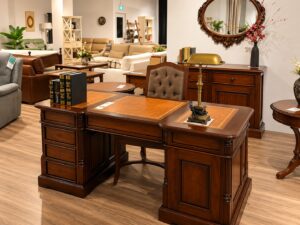
Creating a comfortable workspace starts with the right home office furniture ideas. Whether you have a dedicated study room, a spare bedroom or simply an unused corner in your living room, the right furniture and layout can help you create a space that supports productivity without losing the warmth of your home.
A home office should be more than just a desk and a chair. It needs to accommodate your daily work routine, provide practical storage and feel comfortable enough to spend several hours in. At the same time, its design should complement the rest of your interior rather than look like a separate corporate office.
From choosing a suitable wooden desk to selecting comfortable seating, organising storage and introducing the right lighting, there are many ways to make a home workspace both functional and inviting.
Here are some practical home office furniture ideas to help you create a workspace that feels naturally connected to your home.
1. Choose the Right Location for Your Home Office
Before purchasing furniture, decide where your workspace will be located. The available space, natural lighting and level of privacy will influence the type of furniture you need.
Not every home has a separate study room, particularly in Singapore, where rooms often serve more than one purpose. Fortunately, a functional workspace can be created in several areas of your home.
A dedicated study room
If you have an additional room, you have more flexibility to create a complete home office. You can accommodate a larger desk, comfortable chair, bookshelf and storage cabinet without affecting other living areas.
A spare bedroom
A bedroom can double as a workspace by placing a desk along an available wall. Choose furniture that complements the bed frame and existing storage so the room maintains a consistent appearance.
A living room corner
An unused corner can become a practical workstation. A compact writing desk and suitable chair may be all you need. Consider a bookshelf or small cabinet to create a subtle distinction between the workspace and the rest of the living room.
A space near a window
Natural daylight can make a workspace feel brighter and more pleasant. However, consider the position of your computer screen to avoid direct sunlight and reflections.
The best location is one that provides enough room to work comfortably while fitting naturally into your home’s layout.
2. Select a Desk That Matches Your Working Needs
The desk is the foundation of any home office. It should provide enough surface area for your equipment and daily tasks without taking up more space than necessary.
Before choosing a design, think about how you work. Someone who primarily uses a laptop may need a different desk from someone who works with multiple monitors, documents and other equipment.
Here are some desk styles to consider.
Writing Desks
Writing desks are suitable for homeowners who prefer a simple and understated workspace. Their relatively compact design makes them practical for bedrooms, smaller study rooms and living room corners.
A wooden writing desk can also introduce warmth and character, making the workspace feel more like part of the home.
Executive Desks
Executive desks generally offer a larger working surface and a more substantial appearance. They are suitable for dedicated study rooms where additional space is available.
A classic wooden executive desk can create a refined focal point, particularly when paired with a coordinating bookcase or storage cabinet.
Desks with Drawers
If you regularly use stationery, notebooks and documents, a desk with built-in drawers can help keep everyday essentials organised.
This is particularly useful when you want to maintain a clean working surface without adding too many separate storage units.
Compact Desks
For smaller homes, compact desks provide a practical alternative to larger office furniture. Look for a design that offers sufficient depth for your computer and enough legroom underneath.
The most suitable desk is one that accommodates your working habits while maintaining comfortable proportions within the room.
3. Invest in a Comfortable and Supportive Office Chair
A desk may define the appearance of your home office, but a suitable chair plays an important role in everyday comfort.
If you spend several hours working at home, consider both the design and ergonomic features of your seating.
Look for the following:
- Adjustable seat height: Allows you to position the chair comfortably in relation to your desk.
- Back support: Helps support your lower back while sitting.
- Seat depth: Should allow you to sit comfortably without excessive pressure behind your knees.
- Armrests: Can provide additional support when positioned correctly.
- Suitable upholstery: Choose a material that feels comfortable and is practical to maintain.
An ergonomic office chair is often a sensible choice for people who work at a desk for extended periods. However, if your workspace is used occasionally, an upholstered or classic wooden chair may suit your interior preferences.
The important consideration is to avoid choosing seating based on appearance alone. Comfort, adjustability and support should remain priorities.
For more guidance on workstation setup, refer to the Occupational Safety and Health Administration’s computer workstation guide:
https://www.osha.gov/etools/computer-workstations/
4. Incorporate Practical Storage into Your Home Office
A well-organised workspace makes everyday tasks easier and helps maintain a more comfortable environment.
Rather than adding storage only when clutter becomes a problem, consider your requirements when planning the furniture layout.
These home office furniture ideas can help you organise your belongings while keeping the room visually balanced.
Bookshelves
Bookshelves provide space for books, documents and reference materials. They can also display selected decorative pieces, framed photographs and personal collections.
Open shelving works particularly well if you want your workspace to feel more residential. Combining books with a few decorative objects creates a more relaxed appearance.
Storage Cabinets
Closed cabinets are useful for keeping paperwork, office supplies and less frequently used items out of sight.
They are particularly practical when your workspace is located in a living room or bedroom, where you may want to keep work-related belongings separate from everyday household items.
Desks with Built-In Drawers
A desk with drawers provides convenient storage for stationery, chargers, notebooks and other frequently used items.
This reduces the need for additional furniture and helps keep the main working area organised.
Multi-Purpose Furniture
If you have limited space, consider furniture that can serve more than one purpose. A suitable cabinet or sideboard, for example, can provide storage while complementing the existing interior.
The goal is to create enough storage for your daily needs without filling the room with unnecessary furniture.
5. Use Lighting to Create a Comfortable Working Environment
Lighting is an important part of home office design. It affects how comfortably you can read, work on a computer and use the space throughout the day.
Whenever possible, position your desk where it can benefit from natural daylight. However, avoid placing your computer screen directly in front of a bright window if this causes glare.
A combination of different lighting sources can help create a more balanced environment.
Natural lighting: Makes the workspace feel brighter and more connected to the surrounding interior.
Task lighting: A desk lamp provides focused illumination for reading, writing and other detailed activities.
Ambient lighting: General room lighting helps maintain a comfortable level of brightness throughout the space.
A table lamp with a brass, ceramic or classic metal finish can also introduce a decorative element to the desk.
According to OSHA’s workstation guidance, lighting should be arranged to minimise reflections and glare on computer screens. You can read more about workstation lighting here:
https://www.osha.gov/etools/computer-workstations/workstation-environment
6. Choose Home Office Furniture That Complements Your Interior
One of the advantages of working from home is that your workspace can reflect your personal style.
Unlike a traditional office, a home office does not need to follow a strictly corporate appearance. Furniture can be selected to complement the rest of your home while still providing the functionality you need.
Natural Wood for Warmth
Wooden furniture is an excellent option if you want your workspace to feel welcoming and timeless.
Oak, walnut and mahogany each offer different colours and grain patterns. A wooden desk paired with neutral upholstery and simple shelving can create a balanced interior.
Neutral Upholstery for a Softer Look
If your workspace includes an additional chair, consider upholstery in beige, cream or warm grey.
These colours work well with natural wood finishes and can help the office blend with a living room or bedroom.
Classic Furniture Details
Traditional furniture details do not necessarily make a home office look old-fashioned.
A desk with elegant proportions, subtle detailing or a rich wood finish can work beautifully alongside contemporary lighting and modern accessories.
The key is to maintain a consistent design direction rather than trying to match every piece exactly.
7. Create a Cohesive Colour Palette
The colours in your home office can influence the overall atmosphere of the room.
A coordinated palette helps the workspace feel connected to the rest of your home, particularly when it shares space with a bedroom or living area.
Consider these combinations:
Warm white and natural wood: A bright and understated combination that works well in both contemporary and classic interiors.
Beige and walnut: Creates a warm, refined appearance without making the workspace feel overly formal.
Soft grey and oak: Offers a more contemporary look while maintaining a natural feel.
Muted green and mahogany: Introduces contrast and complements the rich tones of darker wooden furniture.
You can also introduce colour through artwork, desk accessories, cushions and decorative objects.
Rather than creating an entirely different colour scheme for your study, consider repeating a few colours or materials already used elsewhere in your home.
This creates a more cohesive interior.
8. Add Personal Details to Make the Workspace Feel Like Home
A home office should reflect the person using it. A few personal details can make the space feel more inviting, especially if you spend a significant amount of time working there.
Consider adding:
- Framed photographs or artwork
- A small indoor plant
- Decorative bookends
- A ceramic vase
- A table lamp with an interesting design
- A selection of favourite books
- A few personal accessories
You do not need to decorate every available surface. A carefully selected arrangement often looks more considered than a desk filled with decorative objects.
Keep the main working area clear and use shelves, cabinets or side tables for personal items.
The idea is to create a workspace that feels comfortable and individual without compromising its functionality.
9. Make the Most of a Small Home Office
A dedicated study room is not essential. With the right layout and furniture, even a compact area can accommodate a functional workspace.
These home office furniture ideas are particularly useful for smaller Singapore homes.
Choose Furniture with Suitable Proportions
A large desk may look impressive, but it can quickly dominate a small room.
Measure the available space and consider the depth of the desk, chair clearance and walking area before making a purchase.
Use Vertical Storage
Tall bookshelves and wall-mounted shelves can make use of vertical space while keeping the floor relatively clear.
Before installing wall-mounted furniture, check the wall construction and appropriate fixing requirements.
Keep the Layout Simple
Avoid adding too many furniture pieces. A desk, suitable chair and one storage unit may be sufficient for a compact workspace.
Choose Visually Light Furniture
Furniture with slim legs, open shelving and lighter finishes can help a small room feel less enclosed.
Define the Workspace
If your desk is located in a living room or bedroom, consider using a rug, bookshelf or carefully positioned furniture to create a subtle distinction between work and relaxation areas.
This can help the workspace feel more intentional without requiring a full room divider.
10. Keep Work and Personal Spaces Separate
One challenge of working from home is knowing when to switch off.
When your desk is located inside your living space, it can be tempting to continue working long after the usual working hours.
A few simple furniture and organisation choices can help create a clearer separation.
Keep work-related equipment in one designated area. Use drawers or cabinets to store laptops, documents and accessories when the working day is finished.
Avoid allowing your desk to become a general storage surface for household belongings.
If your workspace is part of a shared room, consider using a bookshelf or cabinet to create a defined area.
Even a simple habit, such as clearing your desk at the end of the day, can make the transition from work to personal time feel more natural.
11. Common Home Office Design Mistakes to Avoid
Even a well-planned room can become uncomfortable or impractical if certain details are overlooked.
Here are some common mistakes to avoid when choosing home office furniture.
Choosing a Desk That Is Too Small
A desk that cannot accommodate your computer, monitor and everyday essentials may quickly become inconvenient.
Consider your actual working requirements before deciding on the size.
Prioritising Appearance Over Comfort
A beautiful chair may not provide sufficient support for extended periods of sitting.
Consider adjustability, seat depth and back support alongside its design.
Ignoring Cable Management
Visible cables can make an otherwise well-designed workspace look cluttered.
Plan the position of power sockets, chargers and other equipment before arranging your furniture. Cable trays and organisers can help keep everything tidy.
Overfilling the Room
Adding too many cabinets, shelves and decorative objects can make a home office feel crowded.
Prioritise essential furniture and introduce additional pieces only when needed.
Overlooking Lighting and Screen Glare
A poorly positioned desk or lamp can create reflections on your computer screen.
Consider the direction of natural light and position task lighting so it illuminates your work without shining directly onto the screen.
Final Thoughts: Create a Workspace That Feels Like Home
Creating a functional home office is about finding the right balance between productivity, comfort and personal style.
Start with the essentials: a suitable desk, supportive chair, practical storage and appropriate lighting. Then introduce furniture finishes, colours and personal details that complement your existing interior.
Whether you have a dedicated study room or a small workspace in the corner of your living room, thoughtful home office furniture ideas can help transform the area into a space that feels both practical and inviting.
At Home of Homes, discover furniture with timeless European-inspired designs and natural wood finishes that bring warmth and character to your workspace.
Explore our collections and find pieces that make working from home feel more comfortable.
Visit Home of Homes:
https://www.homeofhomes.com.sg/
Frequently Asked Questions
What furniture do I need for a home office?
The essential pieces include a suitable desk, a comfortable and supportive chair, adequate storage and appropriate lighting. Depending on your available space and working habits, you may also want a bookshelf, filing cabinet or additional seating.
How do I create a home office in a small space?
Choose a compact desk, use vertical storage and keep the layout simple. An unused corner in the living room or bedroom can become a functional workspace without requiring a separate room.
What is the best desk material for a home office?
The best material depends on your preferences, budget and interior style. Wooden desks are popular for their natural appearance and warmth, while metal, glass and other materials can offer a more contemporary look. Consider durability, maintenance and how the desk will complement your existing furniture.
How do I make my home office look less like a corporate office?
Choose furniture with a residential design, introduce natural materials, use warm lighting and add selected personal details. Wooden desks, upholstered chairs, neutral colours and decorative accessories can help create a more relaxed atmosphere.
Should my home office furniture match the rest of my house?
It does not need to match exactly, but maintaining a consistent design direction helps create a cohesive interior. Consider using complementary wood finishes, colours and materials throughout your home.
Where should I place my desk at home?
If possible, position your desk near a source of natural light while avoiding direct screen glare. Choose an area with enough room for your chair, equipment and movement, and consider how much privacy you need during working hours.