
Uncategorized
How to Match Wooden Furniture with Different Wall Colours?
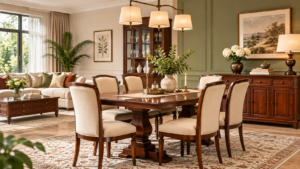
Choosing the right wall colour can make a significant difference to how wooden furniture looks in your home. The same dining table, bed frame or wooden cabinet can feel completely different depending on the colour surrounding it.
If you have solid wood furniture in oak, walnut, mahogany or teak, understanding how wood tones interact with wall colours can help you create a more balanced interior. Some combinations bring out the natural warmth of the wood, while others create contrast and give a room a more contemporary appearance.
The key is to consider the wood’s undertone, the amount of natural light in your room and the overall atmosphere you want to achieve.
In this guide, we explore how to match wooden furniture with different wall colours, including practical combinations for living rooms, dining areas and bedrooms.
1. Understand Your Wooden Furniture’s Undertone
Before choosing a wall colour, look closely at the wood itself. Not all wooden furniture has the same tone, even when the pieces are made from similar materials.
Wood finishes generally fall into three broad categories.
Warm Wood Tones
Warm wood tones have noticeable yellow, golden, reddish or orange undertones. Common examples include:
- Teak
- Honey oak
- Golden oak
- Reddish mahogany
These finishes work particularly well with warm neutrals, cream, beige and selected earthy colours.
Cool Wood Tones
Some wood finishes have grey, muted brown or slightly ashy undertones. These can create a more understated and contemporary appearance.
Cooler wood tones often work well with soft grey, muted blue, sage green and neutral white walls.
Dark Wood Tones
Dark wood furniture, including walnut and rich mahogany finishes, adds depth and visual weight to a room.
Depending on the finish, dark wood can have warm reddish or chocolate-brown undertones. It pairs well with lighter wall colours when you want contrast, or deeper colours when you prefer a more dramatic interior.
Understanding these differences makes it easier to select a wall colour that complements rather than competes with your furniture.
2. Match Light Wooden Furniture with Neutral Wall Colours
Light wooden furniture is a versatile choice for contemporary interiors. Its natural appearance can make a room feel relaxed, open and welcoming.
If your furniture features light oak, natural wood or pale timber finishes, neutral wall colours are a reliable starting point.
White Walls
White walls create a clean backdrop for light wooden furniture. The contrast is subtle, allowing the natural grain and texture of the wood to remain visible.
This combination works particularly well in Scandinavian-inspired and minimalist interiors.
To prevent the room from feeling too plain, introduce texture through upholstered chairs, linen curtains, rugs and decorative accessories.
Warm Beige Walls
Beige adds more warmth than standard white and creates a softer transition between the walls and wooden furniture.
It works especially well with natural oak dining tables, wooden consoles and bedroom furniture.
For a cohesive look, combine beige walls with cream upholstery, warm lighting and natural-textured accessories.
Soft Greige Walls
Greige, a combination of grey and beige, offers a balanced neutral option. It complements light wood while introducing a slightly more contemporary feel.
This is a good choice if you want an understated interior that does not feel overly warm or overly cool.
3. Pair Dark Wood Furniture with Lighter Wall Colours
Dark wood furniture can become a beautiful focal point in a room. However, because darker finishes carry more visual weight, the surrounding wall colour plays an important role in maintaining balance.
Lighter wall colours help create contrast and prevent the furniture from making a room feel too enclosed.
Cream Walls
Cream is one of the most complementary choices for dark wood furniture.
Its warm undertones work particularly well with mahogany, walnut and darker teak finishes. The combination creates a classic, welcoming atmosphere without looking overly formal.
Consider pairing a dark wooden dining table with cream walls and upholstered dining chairs for a balanced dining area.
Warm White Walls
Warm white offers a lighter appearance while retaining enough warmth to complement rich wood finishes.
It works particularly well in living rooms with dark wooden coffee tables, TV consoles or display cabinets.
Unlike stark white, warm white can help soften the contrast between dark furniture and the surrounding space.
Light Taupe Walls
Light taupe introduces more depth than white or cream while remaining neutral.
It is particularly suitable for rooms with several dark wooden furniture pieces. The result feels coordinated and sophisticated without relying on strong colour contrasts.
4. Use Green Walls to Complement Natural Wood
Green and wood are a natural pairing because both draw inspiration from nature. Depending on the shade, green can create anything from a calm, understated interior to a richer, more traditional setting.
Sage Green
Sage green is a muted shade that works beautifully with light oak, teak and medium-toned wooden furniture.
It adds colour without overwhelming the room, making it suitable for bedrooms, dining areas and living spaces.
Pair sage walls with natural wood furniture, cream upholstery and simple decorative accents for a relaxed atmosphere.
Olive Green
Olive green has a deeper, earthier character. It complements medium and dark wood finishes, especially when combined with warm lighting and neutral fabrics.
This combination can work particularly well in interiors inspired by classic European design.
Deep Forest Green
For a more dramatic look, consider forest green walls with dark mahogany or walnut furniture.
The combination creates depth and richness, particularly in dining rooms or studies. To prevent the space from feeling too heavy, introduce lighter upholstery, artwork or decorative lighting.
5. Choose Blue Walls for a More Contemporary Interior
Blue can create an interesting contrast with wooden furniture, especially when you want a room to feel different from the usual neutral palette.
The right shade depends on the wood finish and the atmosphere you want to create.
Pale Blue
Pale blue walls work well with light oak and natural wood furniture. The coolness of the blue creates a gentle contrast against warmer timber tones.
This combination is suitable for bedrooms and smaller living spaces where you want a calm, relaxed appearance.
Dusty Blue
Dusty blue offers a more muted option that pairs well with medium wood finishes.
It can be used in living rooms, dining areas or bedrooms without making the colour feel too dominant.
Navy Blue
Navy blue creates a stronger contrast and works particularly well with walnut, mahogany and other dark wood finishes.
In a dining room, navy walls paired with a dark wooden dining table and warm lighting can create an elegant, more formal setting.
If you choose a darker blue, balance it with lighter curtains, upholstery or artwork.
6. Consider Grey Walls for a Modern Look
Grey walls can complement wooden furniture, but the undertone is especially important.
A cool grey may look slightly disconnected when paired with strongly reddish or golden wood. Meanwhile, warmer greys can create a more natural transition.
Light Warm Grey
Light warm grey works with several wood finishes, including oak, walnut and teak.
It is a practical option for homeowners who prefer a modern interior but still want to retain some warmth.
Charcoal Grey
Charcoal creates a dramatic backdrop for lighter wooden furniture. It can also work with dark wood when combined with suitable lighting and lighter decorative elements.
For example, a natural oak dining table against a charcoal feature wall creates a noticeable contrast while allowing the table to stand out.
Greige
If you are unsure whether to choose grey or beige, greige offers a middle ground.
It complements many wood tones and works particularly well in open-plan homes where the living and dining areas share a similar colour palette.
7. Match Wall Colours with Different Types of Wood
While the wall colour is important, the wood species and finish also influence the overall appearance of a room.
Here are some combinations worth considering.
Oak Furniture
Oak often features light golden, beige or slightly yellow undertones.
Suitable wall colours include:
- Warm white
- Soft beige
- Sage green
- Light greige
- Muted blue
These combinations highlight oak’s natural appearance without making the room feel too busy.
Walnut Furniture
Walnut typically has medium to dark brown tones, sometimes with chocolate or slightly reddish undertones.
Suitable wall colours include:
- Cream
- Warm white
- Light taupe
- Olive green
- Dusty blue
These shades complement walnut’s depth while maintaining a balanced interior.
Mahogany Furniture
Mahogany is known for its rich reddish-brown appearance, making it a distinctive choice for classic and traditional interiors.
Suitable wall colours include:
- Ivory
- Warm beige
- Soft cream
- Muted sage
- Deep green
Lighter neutrals allow mahogany furniture to stand out, while deeper greens create a more dramatic and traditional look.
Teak Furniture
Teak typically features golden-brown tones that bring natural warmth into a room.
Suitable wall colours include:
- Off-white
- Sand beige
- Pale grey
- Sage green
- Soft blue
These colours complement teak’s natural warmth and work well in both contemporary and classic interiors.
8. Think About Lighting Before Choosing Your Wall Colour
A wall colour can look very different depending on the amount and direction of natural light in a room.
This is particularly important in Singapore homes, where different room orientations, window sizes and surrounding buildings can affect how much daylight enters a space.
Before committing to a colour, consider the following:
Rooms with plenty of natural light
You have more flexibility to experiment with deeper shades such as olive green, navy blue or charcoal. Dark wooden furniture can also look striking in well-lit spaces.
Rooms with limited natural light
Consider warm white, cream or light beige to help the room feel brighter. These colours also create a useful contrast with darker furniture.
Artificial lighting
Warm lighting can bring out the golden and reddish undertones in wooden furniture. Cooler lighting may make some wood finishes appear less warm.
It is worth testing paint samples on different walls and observing how they look throughout the day before making a final decision.
9. Create Balance with Upholstery, Flooring and Accessories
Matching wooden furniture with wall colours is only one part of creating a cohesive interior. Flooring, upholstery, curtains and decorative accessories also contribute to the overall appearance.
If your furniture and walls are both neutral, use different textures to introduce visual interest. Upholstered dining chairs, textured rugs, linen curtains and natural decorative materials can make the space feel more layered.
For rooms with dark wooden furniture, lighter upholstery can help balance the overall look. Cream, beige and soft grey fabrics are particularly versatile.
You can also introduce small accents through artwork, cushions, table lamps and decorative objects. These details help connect the furniture and wall colours without requiring every element to match exactly.
For more ideas on coordinating wood finishes throughout your home, read our guide:
How to Choose the Right Wood Tone for Your Flooring and Walls:
https://www.homeofhomes.com.sg/how-to-choose-the-right-wood-tone-for-your-flooring-and-walls/
10. Common Mistakes to Avoid When Matching Wood and Wall Colours
Even when the individual colours look attractive, combining them without considering the overall room can create an unbalanced result.
Here are a few common mistakes to avoid.
Choosing colours based on small samples alone
Paint samples can look different when applied to a larger wall. Always test the colour in your actual room before painting the entire space.
Ignoring the wood’s undertone
A wall colour that works with golden oak may not create the same effect with reddish mahogany. Consider the furniture’s undertone before selecting paint.
Using too many competing wood tones
Different wood finishes can work together, but too many contrasting tones may make the room feel disconnected. Try to maintain a consistent colour direction.
Making everything the same colour
Matching the walls, flooring and furniture too closely can make a room look flat. Introduce contrast through lighter or darker elements and different textures.
Forgetting about natural light
A colour that looks beautiful in a showroom may appear different at home. Consider the room’s lighting before making your final choice.
Create a Home That Feels Balanced and Timeless
The best wall colour for wooden furniture depends on the wood’s natural undertone, the size of your room and the atmosphere you want to create.
Light wood generally works well with soft neutrals and muted colours, while darker finishes can be balanced with cream, warm white and light taupe. If you prefer more character, shades such as sage green, olive and navy can introduce colour without taking attention away from the furniture.
Rather than following a strict colour rule, consider how each element works together. A thoughtful combination of wood finishes, wall colours, upholstery and lighting can create an interior that feels comfortable, coordinated and personal.
At Home of Homes Furniture, explore European-inspired furniture designs and wooden finishes that can complement a range of interior styles.
Discover the collection:
https://www.homeofhomes.com.sg/
Frequently Asked Questions
What wall colour goes best with wooden furniture?
The best wall colour depends on the wood finish. Warm white, cream and beige are versatile choices for many wood tones. Sage green, muted blue and greige can also complement wooden furniture while introducing more colour.
What colour walls go with dark wood furniture?
Cream, warm white, light taupe and beige are popular choices for dark wood furniture. These lighter colours create contrast and help balance the visual weight of darker finishes. Olive green and navy blue are alternatives for a richer interior.
Does grey go with wooden furniture?
Yes. Grey can work well with wooden furniture, especially when its undertone complements the wood. Warm grey and greige are versatile options for oak, walnut and teak finishes.
What colour walls go with mahogany furniture?
Mahogany’s reddish-brown finish pairs well with ivory, cream, warm beige and muted green. These colours complement the richness of the wood without competing with its natural appearance.
Can I mix different wood tones in one room?
Yes. Different wood tones can create a more layered interior when they share similar undertones or have a deliberate contrast. Try to keep the overall palette balanced and avoid introducing too many competing finishes.
How do I make a room with dark wooden furniture feel brighter?
Use lighter wall colours such as cream, warm white or soft beige. You can also introduce lighter upholstery, sheer curtains, mirrors and suitable lighting to make the room feel more open.