
Uncategorized
How to Choose the Right Wood Tone for Your Flooring and Walls?
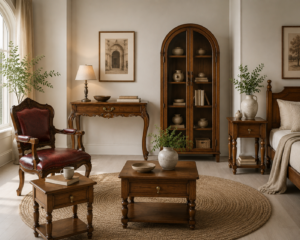
Choosing wooden furniture sounds simple—until you have to decide which colour actually works with your existing floor and walls.
A beautiful dining table can look completely different depending on whether it’s placed against warm beige walls, cool grey flooring, or dark timber floors. The same applies to cabinets, coffee tables, bed frames, and sideboards.
The key isn’t to make every wooden surface in your home exactly the same colour. Instead, it’s about understanding wood tones, undertones, contrast, and proportion so different materials can work together naturally. Interior design guides consistently recommend looking at the undertone of existing flooring and considering how wall colours interact with it before selecting furniture.
If you’re furnishing a new home or replacing your furniture, here’s a practical guide to choosing the right wood tone for your space.
Start With Your Flooring
Your flooring is usually the largest wood surface in a room, which makes it the best place to start.
If your flooring is already installed, don’t try to choose furniture independently from it. Look at the floor in natural daylight and identify whether it appears:
- Light or dark
- Warm or cool
- Yellow, golden, reddish, or grey
- Matte or glossy
Once you understand the floor’s overall tone, you can choose furniture that either complements it or creates intentional contrast.
A common mistake is focusing only on whether furniture is “light” or “dark.” Undertone matters just as much as depth. Two brown wood finishes can still clash if one is strongly reddish and the other is grey or ashy.
Understand Warm, Cool, and Neutral Wood Tones
Wood tones can generally be grouped into three categories.
Warm Wood Tones
Warm woods typically have golden, honey, orange, or reddish undertones.
Examples include:
- Honey oak
- Teak
- Reddish mahogany
- Warm walnut finishes
These tones create a cosy and traditional atmosphere and work particularly well with cream, beige, terracotta, olive, and other earthy colours.
Cool Wood Tones
Cool wood tones tend to have grey, ashy, or muted undertones.
They work particularly well in contemporary, minimalist, and Scandinavian-inspired interiors.
Pair them with:
- Soft grey
- Cool white
- Muted blue
- Sage
- Soft green
The result is generally lighter and more contemporary.
Neutral Wood Tones
Neutral wood sits between warm and cool and is usually the easiest to work with.
Natural oak and some lighter wood finishes can adapt to a wide range of wall colours and furniture styles.
If you’re unsure about which wood tone to choose, a neutral finish can be one of the safest starting points.
How to Match Wood Furniture with Different Flooring
1. Light Flooring + Dark Wood Furniture
This combination creates contrast and can make the furniture stand out.
For example, a light floor paired with rich mahogany furniture can create an elegant and sophisticated look.
This is particularly effective for:
- Dining tables
- Sideboards
- Display cabinets
- Bed frames
The lighter floor prevents darker furniture from making the room feel too heavy.
2. Light Flooring + Light Wood Furniture
If you prefer an airy, contemporary interior, combining light flooring with light wood furniture can work beautifully.
The result is particularly suitable for:
- HDB flats
- Condominiums
- Smaller living rooms
- Japandi interiors
- Scandinavian-inspired homes
To prevent the room from feeling flat, introduce contrast through upholstery, artwork, plants, lighting, or textured rugs.
3. Medium-Tone Flooring + Medium or Dark Wood
Medium-toned floors offer considerable flexibility.
You can introduce darker furniture for contrast or choose furniture with a similar undertone for a more cohesive appearance.
For example, warm medium flooring can work well with:
- Warm walnut
- Mahogany
- Teak
- Medium oak
The important thing is to maintain a consistent temperature throughout the room.
4. Dark Flooring + Light Furniture
This is one of the easiest ways to create visual contrast.
Light wood furniture can prevent a room with dark flooring from feeling too heavy.
Alternatively, neutral upholstery—such as beige, cream, or light grey—can create additional brightness.
If you prefer a more dramatic interior, dark furniture can also work with dark flooring, but you’ll need sufficient natural or layered lighting to maintain balance.
Don’t Try to Match Every Wood Exactly
One of the biggest misconceptions about interior design is that every wooden furniture piece needs to match.
It doesn’t.
In fact, using slightly different wood tones can make an interior feel more natural and collected.
The trick is to find a common connection.
For example:
- Similar warm undertones
- Similar finish
- Repeated wood colour in different rooms
- Similar grain direction
- Consistent furniture style
A dining table and sideboard don’t need to be identical. They simply need to feel like they belong in the same environment.
Design guidance similarly recommends creating harmony through undertones rather than forcing every wood finish to be identical.
How to Choose the Right Wall Colour
Once you’ve considered the flooring and furniture, look at your walls.
Walls provide the backdrop for your furniture, so their colour can either highlight or compete with the wood.
White and Off-White
White is one of the most versatile choices.
However, not all whites are the same.
A warm white or creamy white generally works beautifully with warm wood because it creates a softer transition.
Pure cool white can create stronger contrast, which may be ideal for a contemporary interior.
Beige and Taupe
Beige, taupe, and sand tones are excellent choices for homes with multiple wood finishes.
They create a neutral backdrop that allows different furniture pieces to coexist without competing for attention.
These colours work particularly well with:
- Natural wood
- Mahogany
- Walnut
- Oak
- Medium brown furniture
Grey
Grey can work beautifully with wood, but choosing the right grey matters.
Cool grey tends to work better with cool or muted wood tones, while warm grey can complement warmer furniture.
If your furniture has strong golden or reddish undertones, a very cool grey may create an unwanted contrast.
Green
Muted greens such as sage and olive can be particularly effective with natural wood.
The combination creates an organic, nature-inspired atmosphere and works especially well with warm wood tones.
It can be a beautiful choice for living rooms, bedrooms, and reading areas.
What If You Have Dark Mahogany Furniture?
This is especially relevant if you’re considering British Colonial solid mahogany furniture.
Mahogany has a naturally rich and warm appearance, so it can become a strong visual feature in a room.
Instead of trying to make everything equally dark, balance it with lighter surroundings.
Try:
Dark mahogany furniture + cream walls + light flooring
This creates contrast while allowing the natural wood grain and craftsmanship to remain the focal point.
You can then introduce smaller accents in brass, leather, linen, or darker wood to connect the different elements.
What If You Have Multiple Wood Tones?
Don’t panic.
Many homes naturally contain multiple wood finishes because furniture is purchased at different times.
Rather than replacing everything, create consistency in other ways.
Repeat One Wood Tone
If you have a darker dining table, introduce a small amount of the same tone elsewhere through a sideboard, coffee table, or decorative accessory.
Use a Neutral Rug
A neutral rug can visually separate different wood finishes and create a transition between them.
Connect Through Upholstery
A beige, cream, or neutral fabric sofa can act as a bridge between different wood tones.
Keep the Walls Simple
If your furniture already contains several wood finishes, neutral walls can prevent the room from becoming visually busy.
Consider Natural Light Before Choosing Your Furniture
The same furniture colour can look completely different depending on the lighting.
A room with large windows may make dark wood appear softer, while a darker room can make the same furniture look significantly heavier.
Before committing to a particular wood tone, look at samples:
- In morning light
- In afternoon light
- Under your evening lighting
- Next to your existing flooring
- Against your actual wall colour
Colour specialists also recommend testing colours in the actual room because natural and artificial light can significantly change how finishes appear.
A Simple Rule for Choosing Wood Furniture
If you’re overwhelmed by all the options, use this simple process:
Step 1: Look at your floor
Identify whether it’s light, medium, or dark.
Step 2: Identify the undertone
Is it warm, cool, or neutral?
Step 3: Decide whether you want harmony or contrast
Similar tones create a calm look. Contrasting tones create more visual impact.
Step 4: Look at your walls
Choose a wall colour that supports rather than competes with the furniture.
Step 5: Add texture
Use fabric, rugs, greenery, stone, and accessories to create depth.
This approach makes choosing furniture much easier.
How Solid Wood Furniture Fits Into the Equation
One advantage of solid wood furniture is its natural variation.
Unlike highly uniform manufactured finishes, solid wood has its own grain, texture, and colour characteristics.
This means a solid wood dining table, sideboard, or cabinet can introduce visual depth even when the overall colour palette remains neutral.
Rather than trying to make your furniture look perfectly uniform, embrace the natural variation.
That’s part of what gives quality wood furniture its character.
Choosing Wood Tones for Different Interior Styles
Modern
Choose light or medium wood with clean silhouettes and neutral walls.
Japandi
Light natural wood, cream walls, soft textures, and minimal décor create a calm atmosphere.
Scandinavian
Light wood works especially well with white walls and soft neutral upholstery.
Contemporary
Mix natural or darker wood with clean-lined furniture, stone, glass, and modern lighting.
British Colonial
Rich mahogany furniture can be balanced with cream walls, natural fabrics, greenery, and lighter flooring.
French Contemporary
Combine elegant wood finishes with soft neutral upholstery, curved furniture, and refined decorative accents.
The goal isn’t to force every furniture piece into the same style. It’s to create a consistent visual language.
The Bottom Line: Match the Undertone, Not the Exact Colour
Choosing the right wood tone doesn’t mean finding furniture that is exactly the same colour as your floor.
Instead, focus on:
Undertone → Contrast → Proportion → Lighting → Overall balance
A light floor can work with dark mahogany. A warm floor can work with a slightly different wood tone. Multiple woods can work together.
The most successful interiors aren’t necessarily perfectly matched—they’re thoughtfully coordinated.
Find the Right Solid Wood Furniture for Your Home
At Home of Homes, our furniture collections are designed to work across a range of interior styles and home environments.
From rich solid mahogany British Colonial furniture to contemporary solid wood pieces, dining tables, sideboards, display cabinets, bedroom furniture, and upholstered sofas, the right combination can help create a home that feels cohesive without looking overly matched.
Explore the full collection:
https://www.homeofhomes.com.sg/collections-page/
For additional interior colour inspiration, Asian Paints provides a useful guide to coordinating wood furniture and flooring with wall colours.