
Uncategorized
Sideboard vs Console Table: What’s the Difference?
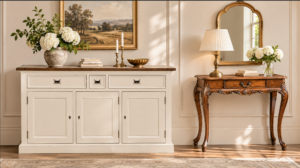
When choosing furniture for your home, some pieces may look similar but serve very different purposes. A sideboard and a console table are two examples. Both can add character to a room, provide a surface for decorative accessories and complement your existing furniture. However, their size, storage capacity and intended functions are quite different.
Understanding the difference between a sideboard vs console table can help you choose a piece that suits your space and everyday needs.
A sideboard is generally designed to provide substantial storage, making it useful in dining rooms and living areas. A console table, on the other hand, is usually narrower and more open, making it suitable for entryways, hallways and areas where a lighter furniture piece is preferred.
So, which one should you choose? Let’s look at their differences, practical uses and styling possibilities.
1. What Is a Sideboard?
A sideboard is a storage-focused furniture piece, traditionally associated with dining rooms. It typically features a long, horizontal surface with cabinets, drawers or a combination of both underneath.
Historically, sideboards were used to store dining essentials such as plates, cutlery, serving dishes and table linens. Today, they are also commonly used in living rooms, where they provide additional storage while creating a surface for decorative displays.
Common Features of a Sideboard
- Enclosed storage: Cabinets and drawers help keep belongings organised and out of sight.
- Wide tabletop: Provides space for lamps, artwork, vases and decorative accessories.
- Substantial construction: Often has a wider and deeper structure than a console table.
- Versatile design: Available in traditional, contemporary, European-inspired and minimalist styles.
Sideboards are particularly useful when you need extra storage without introducing another large wardrobe or cabinet into the room.
Where Can You Place a Sideboard?
Dining room
A sideboard is a natural addition to a dining room. It can store tableware, serving accessories, tablecloths and other dining essentials. Its surface can also be used when serving food during family gatherings or dinner parties.
Living room
In a living room, a sideboard can provide concealed storage for household items, books, board games and accessories. It can also serve as a decorative focal point along an empty wall.
Open-plan dining and living areas
A sideboard can help define a dining area within an open-plan layout. Positioning it against a wall near the dining table creates a practical storage zone without taking up too much central floor space.
2. What Is a Console Table?
A console table is a narrow, usually elongated table designed to sit against a wall or behind furniture. Compared with a sideboard, it generally has a lighter structure and less enclosed storage.
Console tables are often used in entryways and hallways, where they provide a convenient surface for everyday belongings and decorative accessories.
Depending on the design, a console table may feature a simple tabletop, open shelving, one or two drawers, or a combination of these elements.
Common Features of a Console Table
- Narrow depth: Designed to fit into areas where floor space is limited.
- Lightweight appearance: Often features open legs or a more streamlined frame.
- Limited storage: Some designs include drawers or a lower shelf, but storage is usually less extensive than a sideboard.
- Decorative surface: Provides a place for lamps, mirrors, artwork, vases and personal accessories.
Console tables are particularly useful when you want to make an empty wall or narrow space feel more complete without adding a bulky piece of furniture.
Where Can You Place a Console Table?
Entryway
A console table can create a welcoming first impression near the entrance. It provides a convenient place for keys, a small tray, a lamp or decorative accessories.
Hallway
A narrow console table can make an otherwise empty hallway feel more considered. Pair it with a mirror or artwork to create visual interest while keeping the arrangement simple.
Behind a sofa
In larger living rooms, a console table can be positioned behind a sofa to add another functional surface. It can hold table lamps, books or decorative objects while helping define the seating area.
Living room feature wall
A console table can sit beneath a mirror or artwork, creating a simple decorative arrangement without taking up much floor space.
3. Sideboard vs Console Table: What Are the Main Differences?
Although both pieces can be used to display decorative accessories, their main differences come down to storage, dimensions, structure and placement.
Here is how they compare.
Storage Capacity
A sideboard is generally the better choice if storage is your priority. Its enclosed cabinets and drawers provide room for larger items and everyday household essentials.
A console table is more suitable for lighter storage needs. Some models include drawers or shelves, but their primary purpose is usually to provide a surface rather than substantial storage.
Size and Proportions
Sideboards are typically wider and deeper, with a more substantial appearance. They need enough space to accommodate their footprint and allow doors and drawers to open comfortably.
Console tables are usually narrower and more streamlined. Their slimmer proportions make them suitable for hallways, entryways and other spaces where a deeper cabinet would obstruct movement.
Design and Appearance
Sideboards often have a stronger visual presence. Depending on the design, they may feature solid wood construction, decorative mouldings, carved detailing, cabinet doors and substantial legs.
Console tables tend to have a lighter appearance, with open frames, slender legs and simpler silhouettes. However, traditional console tables can also feature decorative detailing and classic wooden finishes.
Main Function
A sideboard is primarily a storage solution that also provides a decorative surface.
A console table is primarily a display and utility surface, with some designs offering additional storage.
Placement
Sideboards are commonly found in dining rooms and living rooms, while console tables are frequently placed in entryways, hallways and behind sofas.
The best placement ultimately depends on the available space, furniture dimensions and how you intend to use the piece.
4. How to Choose the Right Size for Your Space
The dimensions of your furniture matter just as much as its appearance. Even a beautifully designed sideboard or console table can feel out of place if it is too large or too small for the room.
Before purchasing either piece, measure the available wall space and consider the surrounding furniture.
Choosing the Right Sideboard Size
Because sideboards are generally deeper and more substantial, they need sufficient clearance.
Consider the following:
- Measure the available wall width before choosing the sideboard.
- Check the depth to make sure it does not obstruct walkways.
- Allow enough space for cabinet doors and drawers to open fully.
- Consider the height in relation to nearby furniture.
- Leave enough room around the dining table for chairs to move comfortably.
For a dining room, avoid placing a sideboard too close to the dining table if it restricts movement when people are seated.
Choosing the Right Console Table Size
Console tables are often easier to fit into smaller spaces, but their dimensions still need careful consideration.
Keep these points in mind:
- Choose a depth that allows comfortable movement through the hallway.
- Check that the table does not obstruct doors or entrances.
- Consider the height in relation to mirrors and artwork above it.
- Make sure the tabletop is wide enough for the accessories you plan to display.
- If placing it behind a sofa, consider the sofa’s height and overall length.
For narrow hallways, a slim console table is often a more practical option than a deep cabinet.
5. Which Materials and Finishes Should You Consider?
The material and finish influence how a sideboard or console table looks within your home. They also affect maintenance, durability and how well the furniture complements other pieces.
Solid Wood
Solid wood is a popular choice for both sideboards and console tables. Its natural grain, texture and variations give each piece its own character.
Different wood species create different interior moods:
- Mahogany: Rich reddish-brown tones that work well with classic and European-inspired interiors.
- Oak: A versatile wood with visible grain patterns and lighter natural tones.
- Teak: Warm golden-brown colouring and distinctive natural character.
- Walnut: Deeper brown tones that complement both contemporary and traditional spaces.
Solid wood furniture can also be maintained or refinished depending on the timber, finish and construction.
Engineered Wood
Engineered wood, such as MDF and plywood, is commonly used in furniture production. It can provide consistent surfaces and accommodate a range of finishes and designs.
Its performance depends on the material grade, construction and protection against moisture.
Glass and Metal
Glass and metal can create a more contemporary appearance. Glass surfaces can make furniture feel visually lighter, while metal frames introduce contrast and a more modern character.
When choosing materials, consider the existing flooring, wall colours and furniture finishes. A coordinated combination can create a cohesive interior without requiring every piece to match.
6. How to Style a Sideboard
A sideboard offers a generous surface that can be styled in different ways. The key is to create a balanced arrangement without making the top look overcrowded.
Add a Mirror or Artwork
A large mirror or artwork above the sideboard can help establish a focal point. Consider the width of the furniture when choosing the size of the piece above it.
For a classic interior, an ornate mirror can complement traditional wooden furniture. For a more contemporary look, choose simple artwork or a clean-lined mirror.
Introduce a Table Lamp
A table lamp adds height and creates a softer atmosphere, particularly in the evening. Choose a lamp that is proportionate to the sideboard and does not overwhelm the surface.
Use Decorative Objects
Vases, ceramic pieces, books and small sculptures can introduce texture and personality.
Rather than arranging many small objects, group a few items of different heights and shapes to create a more considered display.
Keep the Arrangement Balanced
If the sideboard is wide, avoid concentrating every accessory in the centre. Distribute decorative pieces across the surface while leaving some areas clear.
A balanced arrangement should complement the furniture rather than compete with it.
7. How to Style a Console Table
Because console tables are often placed in transitional spaces, their styling should be practical as well as decorative.
Create a Welcoming Entryway
Place a mirror or artwork above the console table and add a small tray for keys and everyday essentials.
A lamp or vase can complete the arrangement without taking up too much space.
Use Height and Texture
Combine objects of different heights to create visual interest. For example, pair a table lamp with a lower decorative bowl or a small stack of books.
Natural materials such as ceramic, wood and glass can add texture without making the display feel busy.
Make Use of the Lower Shelf
If your console table includes a lower shelf, use it for baskets, books or decorative storage boxes.
This helps keep the tabletop clear while making use of the available space.
Keep Hallways Functional
When styling a console table in a narrow hallway, remember that movement comes first. Avoid oversized lamps, large vases or decorative pieces that extend too far beyond the tabletop.
8. Common Mistakes to Avoid
Whether you choose a sideboard or a console table, a few common mistakes can affect how well the furniture works in your home.
Choosing based on appearance alone
A design may look attractive, but it should also suit your storage needs and available space. Consider the furniture’s intended function before deciding.
Ignoring furniture dimensions
Always check the width, depth and height. Pay particular attention to depth in narrow hallways and walkways.
Overcrowding the surface
Too many decorative accessories can make both pieces look cluttered. Leave enough open space for practical use.
Choosing the wrong furniture for the location
A deep sideboard may not be suitable for a narrow hallway, while a console table may not provide enough storage for a dining area that needs to accommodate tableware.
Forgetting about the surrounding interior
Consider how the furniture relates to your sofa, dining table, flooring, wall colours and other wooden pieces. The goal is to create a cohesive arrangement rather than matching everything exactly.
9. Sideboard or Console Table: Which One Should You Choose?
The right choice depends on your available space and what you need the furniture to do.
Choose a sideboard if:
- You need additional concealed storage.
- You want somewhere to organise dining essentials.
- You have a suitable wall in your dining or living room.
- You prefer a substantial piece of furniture with a generous display surface.
- You want storage and decoration in one piece.
Choose a console table if:
- You have limited floor space.
- You need a narrow table for an entryway or hallway.
- You want a surface for lamps, mirrors and decorative accessories.
- You prefer a lighter and more open furniture design.
- You only need limited storage for smaller belongings.
Neither option is universally better. A sideboard is more practical when storage is the priority, while a console table is often more suitable for decorative and transitional spaces.
If your home has enough room, you can also use both. A sideboard in the dining area and a console table near the entrance can serve different purposes while maintaining a consistent interior style.
Frequently Asked Questions About Sideboards and Console Tables
1. What is the main difference between a sideboard and a console table?
The main difference is their function and storage capacity. A sideboard is a storage-focused cabinet, usually with drawers or enclosed compartments. A console table is generally narrower and designed primarily as a decorative or practical surface, often with limited storage.
2. Can a sideboard be used in a living room?
Yes. A sideboard can provide useful storage in a living room for books, household accessories, games and other belongings. It can also serve as a display surface for lamps, artwork and decorative objects.
3. Can you put a console table in a dining room?
Yes. A console table can be used in a dining room, particularly if you want a slim surface for decorative accessories. However, if you need substantial storage for dining essentials, a sideboard may be more practical.
4. Is a sideboard the same as a buffet cabinet?
The terms are sometimes used interchangeably, particularly for dining room storage furniture. Traditionally, both refer to cabinets used to store and serve dining essentials, although specific designs and regional naming conventions can vary.
5. Can a console table have drawers?
Yes. Some console tables include one or more drawers for storing smaller items such as keys, stationery and accessories. However, their storage capacity is usually more limited than that of a sideboard.
6. What should you put on top of a sideboard?
Common decorative choices include table lamps, vases, mirrors, framed artwork, books and ceramic accessories. Keep the arrangement balanced and leave some space available for practical use.
7. How deep should a console table be?
There is no single ideal depth because it depends on the location and available clearance. For narrow hallways, a slimmer design is generally more practical. Always measure the walkway and make sure the table does not obstruct comfortable movement.
Find the Right Furniture for Your Home
Choosing between a sideboard and a console table comes down to understanding how you use your space. A sideboard offers generous storage and works particularly well in dining and living areas, while a console table provides a slimmer surface for entryways, hallways and decorative displays.
Both can add character to your interior when their proportions, materials and finishes are chosen carefully.
At Home of Homes, explore furniture inspired by classic European design, from substantial wooden sideboards to elegant console tables. Discover pieces that combine thoughtful detailing, practical functionality and timeless appeal.
Explore our collections: