
Uncategorized
How to Recognise Quality Furniture: 8 Things to Check
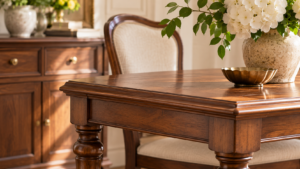
Buying furniture is an investment in your home, so it is worth looking beyond appearance and price. A beautifully designed piece may catch your attention, but its materials, construction and finishing are what determine how well it performs over time.
Knowing how to recognise quality furniture can help you make a more informed decision, whether you are furnishing a new home, replacing an old sofa or choosing a dining table for everyday use.
From the type of wood and strength of the frame to the quality of the joints and hardware, several details can reveal how well a piece of furniture has been made. Here are eight important things to look for before making your purchase.
1. Check the Materials Used
The materials are one of the first indicators of furniture quality. Different materials have different strengths, maintenance requirements and lifespans, so it is important to understand what you are buying.
For wooden furniture, check whether the piece is made from solid wood, engineered wood or a combination of materials.
Solid wood is made from natural timber throughout the relevant component. It has distinctive grain patterns, natural variations and a substantial feel. Depending on the wood species and construction, it can also be repaired, refinished or maintained over time.
Engineered wood, such as plywood, MDF and particleboard, is manufactured from wood fibres, particles or layers. It can be suitable for certain furniture applications, particularly when designed and finished well. However, its durability depends on the material grade, thickness, construction and exposure to moisture.
Neither material automatically guarantees quality. What matters is whether the material is appropriate for the furniture’s intended use and how well it has been constructed.
For example, a solid wood dining table may be a suitable choice for a home where the table is used daily. For a cabinet interior or concealed panel, engineered wood may offer a practical solution.
When shopping, ask the retailer which materials are used in the main structure, panels, drawers and other components rather than relying on a general product description.
2. Examine the Construction and Joints
A piece of furniture can look impressive on the outside but still have weak construction underneath.
Pay attention to how its individual components are connected. Strong joinery helps furniture remain stable and reduces the risk of parts loosening through regular use.
For wooden furniture, look for well-fitted joints with minimal gaps. Depending on the design, construction may include dowels, mortise-and-tenon joints, dovetail joints or other mechanical fastenings.
Here are a few things to check:
- Dovetail joints: Often found in drawer construction, these interlocking joints can provide a strong connection when properly made.
- Mortise-and-tenon joints: A traditional woodworking method that connects two pieces of timber securely.
- Dowels and screws: Common in furniture assembly. Their quality and placement matter, particularly in areas exposed to repeated movement.
- Reinforced connections: Useful in tables, chairs and other furniture that carries weight or experiences frequent use.
Look closely at corners, drawer connections, table legs and the points where the frame meets the main structure.
Avoid pieces with visible gaps, uneven connections or components that appear poorly aligned. These may indicate inconsistent workmanship.
3. Look at the Finish and Surface Details
The finish is more than a decorative feature. It affects the furniture’s appearance, feel and ability to withstand everyday use.
A well-finished piece should have a consistent appearance across visible surfaces. The colour and sheen should look intentional, while edges and corners should feel smooth.
When inspecting furniture, look for:
- Uneven colouring or visible patches
- Rough edges and splintered areas
- Peeling veneer or bubbling laminate
- Excessive glue marks
- Scratches or dents on a new piece
- Poorly finished corners and concealed surfaces
For wooden furniture, pay attention to how the natural grain is presented. A quality finish should complement the wood rather than hide every detail beneath a thick or uneven coating.
Also consider the type of finish used. Some finishes provide a more natural appearance, while others create a protective surface with a higher sheen. The right choice depends on the design, material and expected use.
A smooth finish alone does not guarantee quality, but inconsistent finishing can be a sign that the manufacturing process needs closer inspection.
4. Test the Stability and Overall Structure
One of the easiest ways to assess furniture quality is to test how stable it feels.
A dining table, chair, cabinet or bed frame should feel secure when used as intended. It should not wobble excessively, shift unexpectedly or make unusual noises during normal movement.
If you are visiting a showroom, take a moment to test the furniture rather than judging it from a distance.
For different furniture types, pay attention to the following:
Dining tables: Apply gentle pressure to the tabletop and check whether the legs and frame remain stable.
Chairs: Sit down and move naturally. Check whether the chair feels balanced and whether the legs remain firmly in contact with the floor.
Cabinets and sideboards: Open and close the doors and drawers. Check whether the structure remains steady and whether the doors stay properly aligned.
Bed frames: Check the connections between the frame, headboard and supporting structure. A well-constructed bed should feel stable during normal use.
Stability is particularly important for furniture that carries weight or experiences frequent movement. A solid appearance should be supported by a strong internal structure.
5. Inspect the Hardware and Moving Parts
Small components can make a significant difference to everyday furniture use.
Handles, hinges, drawer runners, brackets and other fittings are often overlooked, but they affect how smoothly furniture operates and how well it holds up over time.
For drawers, check whether they slide smoothly without sticking or tilting. Open them fully and close them several times to see whether the movement feels consistent.
For cabinet doors, look at the hinges and alignment. Doors should open and close without scraping against the frame or leaving uneven gaps.
Other details worth checking include:
- Handles that feel securely attached
- Hinges that operate smoothly
- Drawer runners that support the drawer properly
- Adjustable feet that sit securely
- Fittings that are appropriate for the weight and size of the furniture
Soft-close mechanisms can improve convenience, but their presence alone does not determine overall quality. The underlying construction and the reliability of the fittings matter just as much.
6. Consider Comfort and Practicality
Furniture should not only look good. It should also work comfortably in your everyday routine.
This is particularly important for sofas, dining chairs, beds and home office furniture. A piece may have an attractive design, but if it does not suit your needs, it may not be a practical long-term purchase.
When choosing upholstered furniture, consider the seat depth, back support, cushion firmness and upholstery material. Sit on the sofa or chair for more than a few seconds to get a better sense of its comfort.
For beds, consider the frame dimensions, mattress compatibility and the height of the sleeping surface.
For dining chairs, check whether the seat height works with your dining table and whether there is enough room to sit comfortably.
Practicality also includes storage and accessibility. Drawers should be easy to reach, cabinet doors should have enough clearance to open, and furniture should fit the way you intend to use the room.
The best furniture is not necessarily the most elaborate. It is the piece that combines good construction with comfort and functionality.
7. Check the Design, Proportions and Attention to Detail
Quality furniture should feel considered in its design. This includes the proportions, alignment, finishing details and the way each component comes together.
Look at how the legs relate to the tabletop, whether the cabinet doors are evenly spaced and whether decorative elements are consistently finished.
For furniture with carved details or mouldings, inspect the workmanship closely. Repeated patterns should look consistent, while edges and transitions should be finished neatly.
Proportion is also important when choosing furniture for your home. A large dining table may be beautifully made, but it will not be a suitable choice if it leaves insufficient space to move around the room.
Consider the following before buying:
- Measure the available floor space.
- Check the furniture’s overall width, depth and height.
- Allow enough clearance for doors, drawers and chairs.
- Consider how the piece relates to existing furniture.
- Make sure its design complements the overall interior.
Good design balances appearance with function. Furniture should feel appropriate to the space rather than simply filling it.
8. Understand the Warranty and After-Sales Support
Even well-made furniture needs proper care, and some components may require attention over time. This is why warranty coverage and after-sales support should be part of your buying decision.
Before purchasing, ask what the warranty covers and how long it lasts. Check whether the coverage applies to the frame, structural components, upholstery, hardware or other parts.
It is also worth understanding what is excluded. Normal wear and tear, accidental damage, improper use and environmental conditions may be treated differently depending on the retailer’s warranty policy.
If you are buying furniture online or from an overseas brand, find out who handles delivery, assembly, repairs and after-sales enquiries.
A reliable retailer should be able to explain its product specifications, care requirements and support process clearly.
Do not judge furniture quality by warranty length alone. A longer warranty does not automatically mean better construction, but clear terms and accessible support can give you greater confidence in your purchase.
Common Mistakes to Avoid When Buying Furniture
Even when you know what to look for, it is easy to make a decision based on appearance or price alone. Keep these common mistakes in mind:
Choosing based on appearance alone
A beautiful design is important, but it should be supported by suitable materials and good construction. Inspect the details before deciding.
Assuming heavier furniture is always better
Weight can sometimes indicate substantial materials, but it is not a reliable measure of quality on its own. Construction, stability and material suitability matter more.
Confusing solid wood with overall quality
Solid wood has many advantages, but the quality of the timber, joinery, finish and design still determines how well the furniture performs.
Ignoring dimensions
Always measure your room and check the product dimensions. Furniture that is too large or too small can affect both comfort and the flow of a space.
Overlooking warranty terms
Ask about coverage, exclusions and after-sales support before completing your purchase. Do not assume that every component is covered in the same way.
Frequently Asked Questions About Furniture Quality
1. How can you tell if furniture is good quality?
Look at the materials, construction, joints, finish, stability and hardware. Good-quality furniture should be made with suitable materials, assembled securely and finished consistently. It should also feel practical and stable when used as intended.
2. Is solid wood furniture always better quality?
Not necessarily. Solid wood is valued for its natural character, strength and ability to be maintained or refinished, depending on the timber and construction. However, quality also depends on the wood species, workmanship and design. Well-made engineered wood furniture can also be suitable for certain applications.
3. What type of wood is best for furniture?
There is no single best wood for every furniture type. Oak, teak, mahogany and walnut are popular choices, each offering different grain patterns, colours and characteristics. The right option depends on the intended use, design preference and maintenance requirements.
4. What should I check when buying furniture online?
Read the product specifications carefully. Check the dimensions, materials, construction details, product images, delivery arrangements and warranty terms. If any information is unclear, contact the retailer before placing your order.
5. Does expensive furniture always mean better quality?
No. A higher price does not automatically guarantee better materials or workmanship. Compare the construction, material specifications, finishing and after-sales support rather than relying on price alone.
6. How long should good-quality furniture last?
Its lifespan depends on the materials, construction, frequency of use, maintenance and environment. Furniture used daily may experience more wear than occasional-use pieces. Proper care and suitable placement can help maintain its condition over time.
Choose Furniture That Is Made to Be Enjoyed for Years
Recognising quality furniture is about understanding what goes into making each piece. Materials, construction, finishing and functionality all contribute to how furniture looks, feels and performs in your home.
Whether you are furnishing a living room, dining area or bedroom, take the time to inspect the details and ask questions before making a purchase.
At Home of Homes, explore furniture collections inspired by European design, with options for different spaces and interior styles. From solid wood dining tables and cabinets to bedroom and living room furniture, discover pieces that bring together thoughtful design and everyday functionality.
Explore the collections at https://www.homeofhomes.com.sg/shop/ or visit our showroom to experience the furniture in person.