
Uncategorized
Upholstered vs Wooden Bed Frames: Which Should You Choose?
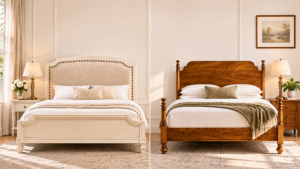
Choosing the right bed frame is an important part of creating a comfortable and well-designed bedroom. Beyond supporting your mattress, the bed frame has a significant influence on the overall appearance of the space.
Two popular options are upholstered and wooden bed frames. Both offer distinct advantages, from the soft, inviting appearance of upholstered designs to the natural character and timeless appeal of wooden furniture.
But which one is right for your bedroom?
The answer depends on your personal preferences, lifestyle, maintenance expectations and interior design. If you are comparing upholstered vs wooden bed frames, understanding the differences can help you make a more informed decision.
In this guide, we explore the characteristics of each type, their advantages and disadvantages, and what to consider before choosing a bed frame for your home.
1. Understanding Upholstered and Wooden Bed Frames
Before comparing the two options, it helps to understand what makes them different.
What Is an Upholstered Bed Frame?
An upholstered bed frame features a fabric or leather-covered exterior, usually with padding over parts of the frame. The headboard is often the most noticeable upholstered element, although some designs also feature upholstered side rails and footboards.
Common upholstery materials include:
- Linen and linen-blend fabrics
- Velvet
- Polyester and other synthetic fabrics
- Leather
- Faux leather
Upholstered bed frames are available in different styles, from simple contemporary designs to classic button-tufted headboards.
Their soft surfaces and variety of colours make them suitable for bedrooms where comfort and visual warmth are important.
What Is a Wooden Bed Frame?
A wooden bed frame is made primarily from wood, with a visible wooden structure and finish.
Depending on the design, it may feature natural wood grain, carved details, decorative mouldings or a more understated silhouette.
Common wood types and finishes include:
- Oak
- Walnut
- Mahogany
- Teak
- Other solid wood and engineered wood constructions
Wooden bed frames are available in a wide range of designs, from simple contemporary styles to traditional European-inspired pieces.
Their natural texture and distinctive finishes can bring warmth, depth and character into a bedroom.
2. Upholstered vs Wooden Bed Frames: Key Differences
Both options can work beautifully in a well-designed bedroom, but they differ in appearance, maintenance and everyday use.
Here is a quick comparison.
| Consideration | Upholstered Bed Frame | Wooden Bed Frame |
|---|---|---|
| Appearance | Soft, textured and often more cushioned | Natural, structured and timeless |
| Comfort | Padded headboard can provide a softer surface to lean against | Harder surface, depending on headboard design |
| Maintenance | Fabric may require regular cleaning | Generally easier to wipe and maintain, depending on finish |
| Durability | Depends on upholstery material, construction and care | Depends on wood type, construction and finish |
| Styling | Works well with soft, layered bedroom interiors | Suits classic, contemporary and natural interiors |
| Colour options | Wide range of fabric and leather colours | Natural wood tones and different stains or finishes |
| Long-term appearance | Fabric and upholstery may show wear over time | Quality wood furniture can retain its character with proper care |
Neither option is automatically better. The right choice depends on which features matter most to you.
3. Advantages of Upholstered Bed Frames
Upholstered bed frames are popular for their soft appearance and variety of finishes. They can make a bedroom feel more relaxed and comfortable, particularly when paired with layered bedding and warm lighting.
A Softer and More Comfortable Headboard
One of the main advantages of an upholstered bed frame is its padded headboard.
If you enjoy reading, watching television or relaxing in bed, a cushioned headboard can provide a more comfortable surface to lean against than an exposed wooden panel.
The level of padding and support varies between designs, so it is worth checking the construction before purchasing.
A Wide Range of Colours and Textures
Upholstery offers considerable flexibility when coordinating your bedroom interior.
Neutral shades such as cream, beige, ivory and taupe create a calm appearance, while deeper colours can introduce contrast.
Different fabric textures also influence the overall atmosphere. Linen-inspired finishes can create a relaxed look, while velvet may give the bedroom a more luxurious appearance.
Suitable for Soft and Contemporary Interiors
Upholstered bed frames work particularly well in interiors that feature layered fabrics, soft colour palettes and understated furniture.
They can complement upholstered benches, fabric curtains, textured rugs and neutral bedding.
Potential Drawbacks of Upholstered Bed Frames
Although upholstered designs offer several advantages, there are a few considerations.
Fabric surfaces can collect dust, hair and other particles, making regular maintenance important. Spills and stains may also be more difficult to remove depending on the upholstery material.
Leather and faux leather have different cleaning requirements from fabric, so always follow the manufacturer’s care instructions.
If you prefer furniture that requires relatively simple surface maintenance, a wooden bed frame may be more suitable.
4. Advantages of Wooden Bed Frames
Wooden bed frames offer a different appeal. Their natural appearance, distinctive grain and variety of finishes make them a versatile choice for different bedroom styles.
Timeless Design and Natural Character
One of the strongest reasons to choose a wooden bed frame is its enduring visual appeal.
Unlike some finishes that are strongly associated with a particular trend, natural wood tones can work across a variety of interior styles.
A classic wooden bed frame can complement traditional European interiors, while a simpler design can work in a contemporary bedroom.
Easy to Coordinate with Other Furniture
Wooden bed frames can be paired with a wide range of bedroom furniture.
For example, a walnut bed frame can complement neutral bedside tables and warm beige bedding. A darker mahogany finish can create a more distinctive appearance when paired with cream walls and lighter fabrics.
Using complementary wood tones across the bedroom can also create a cohesive look without requiring every piece to have exactly the same finish.
Practical Surface Maintenance
Wooden furniture is generally straightforward to maintain with regular dusting and appropriate cleaning.
Depending on the finish, a soft, slightly damp cloth may be suitable for removing everyday marks. Avoid excessive moisture and harsh cleaning products, as these can damage the surface.
The maintenance requirements will vary depending on the wood and finish, so refer to the manufacturer’s care guidance.
Long-Term Appeal
A well-constructed wooden bed frame can remain part of your bedroom for many years.
Its durability depends on the materials, joinery, structural design and overall workmanship. Solid wood construction and quality finishing can contribute to long-term performance, although not every wooden bed frame is made entirely from solid wood.
Potential Drawbacks of Wooden Bed Frames
Wooden bed frames do have a few considerations.
Unlike upholstered headboards, wooden surfaces are generally firm and may feel less comfortable if you regularly sit up in bed.
Some traditional wooden designs also have a more substantial appearance, which may not suit every bedroom layout.
If you prefer a softer, more relaxed interior, consider pairing the wooden frame with upholstered cushions, padded bedding or a fabric headboard design.
5. Which Bed Frame Is Easier to Maintain?
Maintenance is an important consideration, particularly if you intend to keep your bed frame for many years.
The amount of care required depends on the material, finish and construction.
Maintaining an Upholstered Bed Frame
Upholstered bed frames may require more attention because their fabric surfaces can collect dust and everyday particles.
To keep them in good condition:
- Vacuum fabric surfaces using a suitable upholstery attachment.
- Address spills promptly using the manufacturer’s recommended cleaning method.
- Avoid using harsh chemicals that may damage the fabric.
- Keep the frame away from excessive moisture.
- Follow the care instructions for leather or faux leather finishes.
Different fabrics require different cleaning methods. Always test cleaning products on an inconspicuous area if the manufacturer permits it.
Maintaining a Wooden Bed Frame
Wooden bed frames generally require less specialised cleaning.
To maintain their appearance:
- Dust regularly using a soft, clean cloth.
- Wipe spills promptly rather than allowing moisture to remain on the surface.
- Avoid placing hot or wet objects directly on exposed wooden surfaces.
- Use cleaning products suitable for the specific finish.
- Avoid prolonged exposure to direct sunlight where possible.
In Singapore’s humid climate, it is also sensible to maintain good ventilation in the bedroom and avoid leaving furniture in persistently damp conditions.
Overall, wooden bed frames may be easier to maintain for homeowners who prefer a simple cleaning routine. However, the quality of the finish and the surrounding environment still matter.
6. Which Bed Frame Is More Durable?
Durability is not determined by appearance alone. Both upholstered and wooden bed frames can offer long-term use when properly constructed and maintained.
For upholstered designs, consider the quality of the internal frame, padding, upholstery material and stitching.
For wooden designs, look at the type of wood or engineered material, joinery, support structure and finish.
It is also important to consider how the bed frame is assembled.
A well-designed frame should provide stable mattress support and minimise unnecessary movement during everyday use.
Before purchasing either option, check:
- The materials used in the frame
- The quality of the joints and connections
- The mattress support system
- The weight capacity, where specified
- The manufacturer’s warranty
- Assembly and maintenance requirements
Do not assume that every solid-looking wooden frame is made entirely from solid wood, or that every upholstered frame has the same internal construction.
Ask for product specifications if material composition is important to your decision.
7. How to Style an Upholstered Bed Frame
An upholstered bed frame can become the centrepiece of a bedroom, especially when its colour and texture complement the surrounding interior.
Here are a few styling ideas.
Choose Neutral Bedding
Cream, white, beige and soft grey bedding can complement most upholstered finishes.
These colours create a calm foundation and allow the headboard to remain a focal point.
Layer Different Textures
Combine cotton bedding, linen cushions and a textured throw to create visual depth.
If your headboard already has a strong fabric texture, keep the remaining elements relatively simple.
Introduce Warm Lighting
Bedside lamps and soft ambient lighting can make an upholstered bedroom feel more inviting.
Choose lighting finishes that complement the bed frame and bedside furniture.
Coordinate with Soft Furnishings
Curtains, rugs and cushions can help connect the bed frame with the rest of the room.
You do not need to match every fabric exactly. Using complementary shades and textures is often enough.
8. How to Style a Wooden Bed Frame
Wooden bed frames can work across different interior styles, depending on their finish, shape and surrounding furniture.
Pair Dark Wood with Light Bedding
Rich mahogany and walnut finishes can create an attractive contrast with ivory, cream and beige bedding.
This combination introduces warmth while keeping the bedroom visually balanced.
Use Natural Materials
Linen curtains, woven rugs and ceramic accessories complement the natural character of wooden furniture.
These materials can create a relaxed bedroom without making the space feel overly decorated.
Coordinate with Bedside Tables
Bedside tables do not need to have exactly the same finish as the bed frame.
However, selecting complementary wood tones and similar design details can help create a more cohesive appearance.
Keep Decorative Elements Simple
If your bed frame features carved details or a distinctive headboard, allow those features to stand out.
Simple bedding, understated artwork and carefully selected accessories can create a more balanced interior.
9. Consider Your Bedroom Size Before Choosing
The size and layout of your bedroom should influence your bed frame selection.
A design that looks beautiful in a large showroom may feel overwhelming in a smaller bedroom.
Before purchasing, measure the available floor space and consider the bed frame’s full external dimensions.
For Smaller Bedrooms
A streamlined upholstered or wooden bed frame can work well in a compact room.
Consider designs with a simpler headboard and a less bulky footboard to maintain a more open appearance.
Neutral colours and lighter bedding can also help create a visually balanced space.
For Larger Bedrooms
Larger bedrooms offer more flexibility.
A statement upholstered headboard or a substantial wooden bed frame can help anchor the room and create a more defined focal point.
You may also have space for additional furniture, such as bedside tables, a bedroom bench or a chest of drawers.
Check More Than the Mattress Size
Remember that the bed frame’s external dimensions may be larger than the mattress itself.
Also consider the space required to open wardrobes, access bedside tables and move comfortably around the bed.
If possible, mark the intended bed frame dimensions on the floor before making your purchase.
10. What to Consider Before Buying a Bed Frame
Whether you prefer upholstered or wooden furniture, there are several practical details worth checking before confirming your purchase.
Mattress compatibility: Make sure the bed frame is designed for your mattress size and check the recommended mattress dimensions.
Overall dimensions: Compare the full width, length and height of the frame with your bedroom measurements.
Headboard height: Consider the height of the headboard in relation to your ceiling, bedside tables and wall design.
Support structure: Check the slats, centre support and other structural components.
Material specifications: Understand whether the frame uses solid wood, engineered wood, upholstery or a combination of materials.
Delivery and assembly: Confirm access through your entrance, bedroom doors and lift. Also check whether assembly is included.
Warranty: Review the manufacturer’s warranty and what it covers.
Taking the time to check these details can help you choose a bed frame that suits both your bedroom and your everyday needs.
Final Thoughts: Which Bed Frame Should You Choose?
When comparing upholstered vs wooden bed frames, there is no single option that suits every homeowner.
An upholstered bed frame may be the better choice if you prefer a softer headboard, a wide range of fabric finishes and a relaxed bedroom atmosphere.
A wooden bed frame may be more suitable if you appreciate natural materials, timeless design, distinctive wood grain and relatively straightforward surface maintenance.
Your decision should ultimately reflect how you use your bedroom, the amount of maintenance you are comfortable with and the interior style you want to create.
At Home of Homes, explore bedroom furniture with timeless European-inspired designs, including upholstered and wooden bed frame styles. Discover pieces that bring together thoughtful design, comfort and lasting appeal.
Explore our bedroom collection:
https://www.homeofhomes.com.sg/product-category/bedroom/
Frequently Asked Questions
Are upholstered or wooden bed frames better?
Neither is universally better. Upholstered bed frames offer a softer headboard and a wider choice of fabric finishes, while wooden bed frames provide natural texture and a timeless appearance. The right choice depends on your comfort preferences, maintenance expectations and bedroom style.
Are wooden bed frames more durable than upholstered bed frames?
Not necessarily. Durability depends on the construction, materials, joints and overall quality of the bed frame. Both types can offer long-term use when properly manufactured and maintained.
Are upholstered bed frames difficult to clean?
They can require more attention than wooden frames because fabric surfaces may collect dust and stains. Regular vacuuming and following the manufacturer’s cleaning instructions can help maintain their appearance.
Do wooden bed frames make a bedroom look old-fashioned?
No. Wooden bed frames are available in many different designs, from traditional European styles to contemporary silhouettes. The surrounding colours, bedding and furniture also influence the overall appearance.
Which bed frame is better for a small bedroom?
Both can work in a small bedroom. The most important considerations are the external dimensions, headboard design and overall proportions. Choose a frame that leaves enough space for movement and other essential furniture.
Can I combine a wooden bed frame with upholstered furniture?
Yes. Combining different materials can create a balanced and inviting bedroom. For example, a wooden bed frame can be paired with an upholstered bench, fabric curtains and neutral bedding.
What should I consider when buying a new bed frame?
Check the mattress compatibility, external dimensions, material specifications, support structure, headboard height, delivery requirements and warranty before purchasing.