
Uncategorized
Open Concept Living and Dining: The Best Furniture Choices for a Functional Home
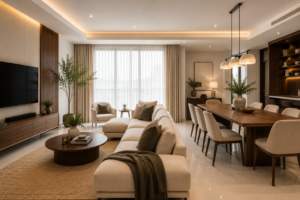
An open concept living and dining space has become one of the most desirable layouts in modern homes. By removing unnecessary walls and combining multiple functions into a single area, homeowners can enjoy a brighter, more spacious, and more connected environment.
However, furnishing an open concept layout can be challenging. Without proper planning, the space may feel cluttered, disconnected, or lacking in visual balance. The key is choosing furniture that helps define different zones while maintaining a cohesive design throughout the room.
Whether you’re furnishing a condominium, apartment, HDB flat, or landed property, understanding the right furniture choices can help you maximize both comfort and functionality. In this guide, we’ll explore the best furniture solutions for an open concept living and dining area and share practical design tips to create a harmonious home.
Why Open Concept Living and Dining Spaces Are So Popular
The popularity of the open concept living and dining layout continues to grow because it offers several practical and aesthetic benefits.
First, removing walls allows natural light to travel freely throughout the space. This makes rooms feel larger, brighter, and more welcoming.
Second, open layouts encourage better interaction between family members and guests. Whether you’re preparing meals, entertaining friends, or watching children play, an open floor plan allows everyone to remain connected.
Finally, open-concept designs provide greater flexibility when arranging furniture and adapting the space to changing needs over time.
How to Plan an Open Concept Living and Dining Layout
Before purchasing furniture, it is important to understand how the room will function.
Define Separate Zones
Although the space is open, each area should have a distinct purpose. Typically, one section serves as the living room while another functions as the dining area.
Creating visual boundaries helps prevent the room from feeling chaotic.
Consider Traffic Flow
People should be able to move comfortably between areas without navigating around furniture obstacles. Maintaining clear pathways improves functionality and makes the room feel more spacious.
Balance Proportions
The furniture in both zones should feel proportionate to one another. Oversized pieces in one area and small furniture in another can create visual imbalance.
Maintain Design Consistency
Using complementary colors, materials, and finishes throughout the space helps create a unified appearance.
Best Sofa Choices for an Open Concept Living and Dining Space
The sofa is often the largest piece of furniture in the room and plays a crucial role in defining the living area.
L-Shaped Sectional Sofas
An L-shaped sectional can naturally separate the living room from the dining area without requiring walls or partitions.
These sofas maximize seating while helping define the room’s layout.
Slim-Profile Sofas
For smaller homes, slim-profile sofas offer comfortable seating without overwhelming the space.
Their lighter appearance helps maintain an open and airy atmosphere.
Modular Sofas
Modular sofas provide flexibility and can be rearranged as your needs change.
This makes them particularly suitable for homeowners who frequently entertain guests or update their interiors.
Neutral Upholstery Colors
Neutral shades such as beige, grey, cream, and taupe create a timeless foundation that works well across both living and dining areas.
Explore our collection of sofas here.
Choosing the Right Dining Table for an Open Layout
The dining table serves as the focal point of the dining zone.
Rectangular Dining Tables
Rectangular tables work especially well in larger open-concept spaces because they complement the room’s proportions and accommodate more guests.
Round Dining Tables
Round tables help improve traffic flow and create a softer visual appearance.
They are particularly effective in smaller apartments and compact homes.
Extendable Dining Tables
Extendable tables offer versatility by allowing homeowners to accommodate additional guests when necessary without permanently occupying extra space.
Solid Wood Dining Tables
Solid wood tables add warmth, texture, and durability to open-concept interiors.
Their natural character helps create a welcoming atmosphere that connects the living and dining areas.
Coffee Tables That Complement Open Concept Spaces
Coffee tables are essential for functionality and visual balance.
Round Coffee Tables
Round coffee tables improve circulation and soften the straight lines commonly found in modern interiors.
Storage Coffee Tables
Hidden storage helps reduce clutter and maintain a clean appearance.
Nesting Tables
Nesting tables provide flexibility while occupying minimal floor space.
Matching Materials
Selecting coffee tables that share similar materials or finishes with the dining table helps create a cohesive overall design.
Browse our coffee table collection.
Using Rugs to Define Living and Dining Zones
Area rugs are one of the most effective tools for organizing an open concept living and dining space.
Anchor the Living Area
A large rug beneath the sofa and coffee table establishes a clear living zone.
Separate Functions Visually
A second rug beneath the dining table helps distinguish the dining area without requiring physical dividers.
Add Texture and Warmth
Rugs introduce texture and comfort while helping absorb sound in open spaces.
Maintain Cohesion
Choose rugs that complement one another in color, style, or pattern to maintain a cohesive design.
Storage Solutions for Open Concept Living and Dining Areas
Storage becomes increasingly important in open layouts because everything remains visible.
TV Consoles with Storage
A well-designed TV console provides both functionality and organization.
Sideboards and Buffets
Dining room storage helps keep tableware, linens, and serving pieces organized.
Storage Ottomans
Ottomans with hidden compartments provide extra seating while reducing clutter.
Open Shelving Units
Strategically placed shelving can create subtle separation between zones while offering valuable storage space.
Common Mistakes to Avoid in Open Concept Living and Dining Spaces
Using Oversized Furniture
Large furniture pieces can overwhelm the room and disrupt traffic flow.
Ignoring Visual Boundaries
Without proper zoning, the space may feel undefined and disorganized.
Mixing Too Many Styles
Maintaining a consistent design language helps create harmony throughout the room.
Blocking Natural Light
Avoid placing bulky furniture near windows where it can obstruct natural light.
Overcrowding the Space
Leaving adequate negative space is essential for preserving the open feeling that makes this layout so appealing.
How to Create a Cohesive Open Concept Living and Dining Design
A successful open concept living and dining layout balances openness with organization.
To achieve this:
- Use consistent color palettes.
- Coordinate furniture materials and finishes.
- Define zones with rugs and lighting.
- Maintain clear traffic pathways.
- Choose multifunctional furniture whenever possible.
- Prioritize comfort without sacrificing style.
These strategies help create a space that feels unified, practical, and visually appealing.
Furnish Your Open Concept Living and Dining Space with Home of Homes Furniture
Creating the perfect open-concept home starts with selecting furniture that combines comfort, functionality, and timeless style. At Home of Homes Furniture, you’ll find a curated collection of sofas, dining tables, coffee tables, TV consoles, and storage solutions designed to complement modern living spaces.
Whether you’re furnishing a compact apartment or a spacious family home, our furniture collections help you create a cohesive and inviting environment that reflects your personal style.
Visit our showroom or explore our collections online to discover premium furniture designed for modern open-concept living.