
Uncategorized
How to Choose the Right Bedside Table for Your Bedroom
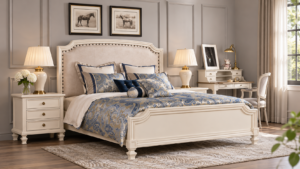
A bedside table may be one of the smaller pieces of furniture in a bedroom, but it plays an important role in making the space comfortable and functional. It keeps everyday essentials within reach, provides a place for lighting and personal items, and helps create a more balanced arrangement around the bed.
However, choosing the right one involves more than finding a design that matches your bedroom. The height should work with your mattress, the dimensions should fit the available space, and the storage should suit your daily routine.
If you are wondering how to choose the right bedside table, start by considering the size of your bed, the layout of your room and how you intend to use the furniture. Here are the key factors to help you make the right choice.
1. Choose the Right Bedside Table Height
Height is one of the most important things to consider when choosing a bedside table. Ideally, its tabletop should sit close to the top of your mattress, making it easy to reach your belongings while lying or sitting in bed.
A table that is too low may require you to lean down awkwardly to reach your phone or glass of water. One that is too high can feel uncomfortable and make the bedside area look visually unbalanced.
Before shopping, measure your bed from the floor to the top of the mattress. Include any mattress topper you regularly use, as this can change the final height.
As a general guide:
- Low platform beds: Usually work well with shorter bedside tables.
- Standard-height beds: Often suit tables around the same height as the mattress.
- Taller bed frames: May need higher bedside tables to maintain comfortable access.
These are starting points rather than fixed measurements. The best height depends on your actual bed and how comfortably you can reach the surface.
If possible, test the height in person. Sit or lie on the bed and imagine reaching for a lamp, book or phone. The movement should feel natural without requiring you to stretch.
2. Consider the Size of Your Bed and Bedroom
The bedside table should look proportionate to both the bed and the room. A table that is too small may look out of place beside a large bed, while an oversized design can make a compact bedroom feel crowded.
Start by measuring the available space on each side of the bed. Do not measure only the gap beside the mattress. Include the full width of the bed frame or headboard if either extends beyond it.
Here are a few general considerations:
Single or smaller beds
A compact bedside table with a narrow footprint is usually sufficient. A simple one-drawer design or small table can provide enough space for everyday essentials without taking up too much room.
Queen beds
A medium-sized bedside table can create a balanced arrangement. Consider the available width and whether you need additional storage for books, accessories or personal items.
King beds
A wider bedside table can help balance the proportions of a larger bed. If the room allows, a pair of tables can create a more symmetrical arrangement.
Remember that these are visual guidelines, not strict rules. The dimensions of your bedroom should always take priority.
Also check the depth of the table. A deep bedside cabinet may extend too far into the walkway, even if its width fits comfortably beside the bed.
3. Decide How Much Storage You Need
Think about what you normally keep beside your bed. Your answer will help determine whether you need a simple tabletop, an open shelf or a bedside cabinet with drawers.
Different designs serve different purposes.
Bedside tables with drawers
<text> </text>
A drawer provides concealed storage for smaller belongings such as reading glasses, charging cables, notebooks and personal items. It is a practical option if you prefer to keep the tabletop clear.
Bedside tables with open shelves
Open shelves provide convenient access to books, magazines and decorative pieces. They can also make a bedroom feel less visually heavy than a fully enclosed cabinet.
Bedside tables with cabinets
A cabinet-style design offers more concealed storage and can create a cleaner appearance. It is useful when you want to keep more items close to the bed without displaying them.
Simple bedside tables
If you only need somewhere to place a lamp, phone or glass of water, a minimal design may be enough. It keeps the bedroom feeling open and uncluttered.
Choose storage based on what you actually use. More drawers do not necessarily make a bedside table more practical if you rarely need them.
4. Select a Material That Suits Your Bedroom
The material influences the appearance, durability and maintenance of your bedside table. It should complement the rest of your bedroom furniture while being suitable for everyday use.
Solid Wood
Solid wood bedside tables bring natural grain patterns, texture and warmth into a bedroom. Popular choices include oak, teak, mahogany and walnut, each offering a different colour and character.
- Oak: Known for its visible grain and versatile natural appearance.
- Teak: Often valued for its natural oils and warm golden-brown tones.
- Mahogany: Recognised for its rich reddish-brown colour and classic character.
- Walnut: Offers deeper brown tones and distinctive grain patterns.
Solid wood can also be maintained or refinished depending on the timber, finish and construction.
Engineered Wood
Engineered wood, including MDF and plywood, is commonly used in furniture manufacturing. It can provide a consistent surface and works well for different finishes and designs.
Its performance depends on the material grade, construction and protection against moisture. Check the product specifications to understand which materials are used for the tabletop, frame and internal components.
Metal and Glass
Metal bedside tables can introduce a contemporary or industrial element, while glass surfaces can create a lighter visual effect. These materials may work particularly well in modern bedrooms, depending on the overall design.
When choosing a material, consider how it relates to your bed frame, flooring, wardrobe and other furniture. A coordinated material palette can make the bedroom feel more considered without requiring every piece to match exactly.
5. Match the Bedside Table to Your Bedroom Style
A bedside table should complement the character of your bedroom. It does not have to be identical to your bed frame, but its proportions, finish and design should work well with the surrounding furniture.
Here are a few ways to approach different interior styles.
Classic and European-Inspired Bedrooms
<text> </text>
For a classic bedroom, consider bedside tables with rich wood finishes, traditional detailing, curved edges or decorative handles. Mahogany and darker wood tones can create a warm and timeless appearance.
These designs work well with upholstered headboards, carved bed frames and neutral bedding.
Modern and Minimalist Bedrooms
Choose clean lines, simple silhouettes and understated finishes. A compact bedside table with minimal hardware can complement a contemporary bedroom without drawing too much attention.
Light wood, neutral colours and simple geometric shapes can help maintain a calm appearance.
Contemporary Bedrooms
For a more contemporary look, consider combining different materials and finishes. A wooden bedside table with metal handles, for example, can add subtle contrast while maintaining a practical design.
Natural and Warm Bedrooms
Wooden furniture, soft neutral colours and natural textures can create a relaxed atmosphere. Oak, teak and walnut finishes can work well with linen bedding, woven accessories and warm lighting.
The aim is to create a visual connection between the furniture rather than matching every finish perfectly.
6. Check the Tabletop Space and Practical Features
The tabletop should have enough room for the items you want to keep within reach. Before buying, think about what you normally place beside your bed.
This might include:
- A bedside lamp
- Your phone and charging cable
- A book or reading glasses
- A glass of water
- An alarm clock
- A small decorative item
If you plan to use a table lamp, check the size of its base and shade. A large lamp can take up most of the surface area on a narrow bedside table.
Also consider where the power sockets are located. Make sure charging cables can reach comfortably without hanging across walkways or becoming tangled around other objects.
Other practical details worth checking include:
- Smooth drawer operation
- Secure handles and hardware
- Stable legs and construction
- Easy-to-clean surfaces
- Sufficient clearance for drawers and cabinet doors
These details may seem minor, but they can make a noticeable difference to everyday convenience.
7. Decide Whether to Use Matching or Different Bedside Tables
Matching bedside tables are a popular choice because they create symmetry around the bed. This arrangement works particularly well when the bed is positioned centrally against a wall.
Using two identical tables can make the bedroom feel organised and balanced, especially when paired with matching lamps or similar accessories.
However, bedside tables do not always need to match.
Different designs can work together when they share certain visual elements, such as:
- Similar wood tones
- Matching hardware finishes
- Comparable heights
- Similar proportions
- A consistent design style
For example, you could pair a wooden bedside cabinet on one side with a simpler table in a similar finish on the other.
This approach can be useful when the bedroom layout is asymmetrical or when two people have different storage requirements.
Choose the arrangement that suits the space and your needs. A balanced bedroom does not necessarily require identical furniture on both sides.
8. Make the Most of a Small Bedroom
In Singapore homes, bedroom space can sometimes be limited, particularly in smaller bedrooms or apartments. Choosing the right bedside table can help maintain functionality without making the room feel crowded.
If floor space is limited, consider these options.
Choose a narrow bedside table
A slim design can provide enough surface space for essentials while leaving more room to move around the bed.
Consider a floating bedside table
Wall-mounted designs free up floor space and can create a lighter appearance. They are particularly useful in bedrooms where every centimetre matters.
Use a bedside shelf
If you do not need concealed storage, a simple wall-mounted shelf may be sufficient for a phone, book or small lamp.
Choose a multifunctional design
A bedside table with drawers or additional storage can help reduce the need for extra furniture elsewhere in the bedroom.
Keep the tabletop simple
Avoid overcrowding the surface with decorative objects. Prioritise the items you use regularly and keep the remaining space clear.
Before purchasing, measure the walking space around the bed and check that drawers, doors and nearby wardrobes can open without obstruction.
9. Style Your Bedside Table Without Making It Look Cluttered
Once you have chosen the right bedside table, a few carefully selected accessories can help complete the bedroom.
The key is to keep the arrangement functional and visually balanced.
Start with a lamp
A bedside lamp provides practical lighting for reading and creates a softer atmosphere in the evening. Choose a size that suits the tabletop and does not overwhelm the furniture.
Add one or two personal items
A book, small framed photograph or decorative object can make the space feel more personal without overcrowding it.
Use a tray for smaller belongings
A small tray can keep items such as watches, jewellery and keys organised in one place.
Introduce natural elements
A small vase or simple floral arrangement can add colour and texture. Make sure it does not take up too much usable space.
Keep some empty space
You do not need to fill every part of the tabletop. Leaving room for everyday essentials makes the arrangement more practical and allows the furniture itself to stand out.
Common Mistakes to Avoid When Choosing a Bedside Table
Before making your final decision, keep these common mistakes in mind.
Choosing a table that is too tall or too short
Always compare the table height with your actual mattress height. A design that looks suitable in a showroom may feel uncomfortable beside your bed.
Ignoring the available space
Measure the gap beside your bed and check the table depth. Do not forget to account for drawers, doors and walking space.
Prioritising appearance over function
A beautiful bedside table may not be practical if it has insufficient surface space or storage for your daily needs.
Choosing furniture that is too large
Oversized bedside tables can make smaller bedrooms feel crowded and affect movement around the bed.
Forgetting about lighting and power sockets
If you plan to use a lamp or charge your phone beside the bed, consider the position of electrical sockets before deciding on the table.
Frequently Asked Questions About Bedside Tables
1. How high should a bedside table be?
Ideally, the tabletop should be close to the top of your mattress. This makes it easier to reach everyday essentials while lying or sitting in bed. Measure the height of your mattress, including any topper, before choosing a table.
2. Should bedside tables be the same height as the bed?
They do not need to be exactly the same height, but a similar level is generally comfortable and visually balanced. A small difference is usually fine as long as you can reach the tabletop naturally.
3. Do bedside tables need to match?
No. Matching bedside tables create a symmetrical look, but different designs can also work well together. Choose pieces with complementary heights, materials, colours or finishes to maintain a balanced appearance.
4. What should I keep on a bedside table?
Common bedside essentials include a lamp, phone, book, reading glasses, alarm clock and a glass of water. You can also add a small decorative object or tray, but avoid overcrowding the surface.
5. What is the best bedside table for a small bedroom?
A narrow bedside table, floating cabinet or wall-mounted shelf can work well in a compact bedroom. Choose a design that provides enough space for your essentials without blocking walkways or access to other furniture.
6. Is a bedside table with drawers better?
It depends on your storage needs. Drawers are useful for keeping personal belongings out of sight, while open shelves provide easy access to books and frequently used items. If you only need a surface for a lamp and phone, a simple table may be sufficient.
7. What material is best for a bedside table?
Solid wood is a popular choice for its natural appearance and character. Oak, teak, mahogany and walnut each offer different tones and grain patterns. Engineered wood, metal and glass are also suitable options depending on the design, construction and intended use.
Find the Right Bedside Table for Your Bedroom
The right bedside table brings together comfort, storage and design. It should sit at a convenient height, fit naturally beside your bed and provide enough space for the things you use every day.
Whether you prefer a classic wooden bedside cabinet, a simple contemporary design or a compact option for a smaller bedroom, consider how the piece will work with your existing furniture and the overall layout of your space.
At Home of Homes, explore bedroom furniture designed to complement a range of interior styles. Discover pieces that bring together thoughtful details, timeless design and everyday functionality.
Explore the bedroom collection at https://www.homeofhomes.com.sg/product-category/bedroom/ or visit our showroom to find furniture that suits your home.