
Uncategorized
The Best Furniture Layouts for Every Living Room Shape
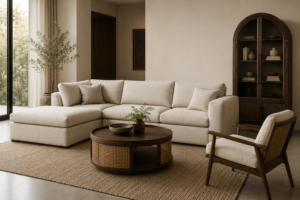
The perfect living room isn’t just about choosing beautiful furniture—it’s about arranging it in a way that maximizes comfort, functionality, and flow. Unfortunately, there is no one-size-fits-all solution. A furniture layout that works perfectly in a square living room may feel awkward in a long and narrow space.
Understanding your room’s shape is one of the most important steps when planning a successful interior. The right furniture arrangement can make a small room feel larger, improve conversation areas, and create a more balanced and inviting atmosphere.
In this guide, we’ll explore the best living room layouts for different room shapes and show you how to make the most of your space.
Why Furniture Layout Matters
A good furniture layout does more than simply fill a room.
It helps:
- Improve traffic flow
- Create comfortable conversation zones
- Maximize usable space
- Enhance visual balance
- Make a room feel larger and more inviting
Before purchasing furniture, it’s important to understand how your room’s shape influences the overall arrangement.
For additional room-planning inspiration, websites such as Houzz offer excellent examples of well-designed living spaces.
Layout #1: Long and Narrow Living Rooms
Long and narrow living rooms are common in modern homes, condominiums, and apartments.
Best Layout Strategy
Instead of placing all furniture against the walls, create a defined conversation area.
Position:
- A sofa facing a coffee table
- Accent chairs opposite the sofa
- A rug to anchor the seating arrangement
This helps break up the “hallway effect” and makes the room feel more balanced.
Recommended Furniture
- Compact sofas
- Round coffee tables
- Slim-profile TV consoles
Layout #2: Square Living Rooms
Square living rooms are among the easiest spaces to furnish because they offer symmetry and flexibility.
Best Layout Strategy
Create a central seating arrangement.
A common setup includes:
- Sofa facing the TV console
- Two accent chairs opposite or adjacent
- Coffee table in the centre
- Area rug beneath the seating group
This layout encourages conversation while maintaining visual balance.
Recommended Furniture
- Three-seater sofas
- Square or round coffee tables
- Symmetrical side tables
Layout #3: Open-Concept Living Rooms
Open-concept homes combine multiple functions into one larger space.
Best Layout Strategy
Use furniture to define zones.
Position the sofa as a visual divider between the living room and dining area.
Area rugs can also help establish clear boundaries without the need for walls.
Recommended Furniture
- Sectional sofas
- Large area rugs
- Console tables behind sofas
Layout #4: Small Living Rooms
Small spaces require careful planning to avoid overcrowding.
Best Layout Strategy
Focus on essential furniture only.
Choose pieces that provide functionality without taking up excessive space.
Floating furniture slightly away from the wall can actually make a small room feel larger.
Recommended Furniture
- Apartment-sized sofas
- Nesting tables
- Storage ottomans
- Compact TV consoles
Design Tip
Using mirrors can help create the illusion of a larger room by reflecting natural light.
Layout #5: Large Family Living Rooms
Large living rooms often present the opposite challenge: making the space feel cohesive.
Best Layout Strategy
Divide the room into multiple functional zones.
For example:
- Main seating area
- Reading corner
- Entertainment zone
Creating distinct areas makes the room feel more intimate and practical.
Recommended Furniture
- Large sectional sofas
- Oversized coffee tables
- Accent chairs
- Sideboards
Layout #6: Living Rooms with Awkward Corners
Many homeowners struggle with rooms that include unusual angles, alcoves, or architectural features.
Best Layout Strategy
Rather than fighting these features, incorporate them into the design.
Consider:
- Reading nooks
- Display shelving
- Accent chairs
- Indoor plants
These additions can transform awkward corners into useful and attractive focal points.
Furniture Layout Rules Every Homeowner Should Know
Regardless of room shape, several design principles apply to almost every living room.
Maintain Comfortable Walkways
Allow at least 75–90 cm of walking space where possible.
Follow Proper Furniture Proportions
Oversized furniture can overwhelm a room, while furniture that is too small may feel disconnected.
Use Area Rugs to Anchor Spaces
Rugs help define furniture groupings and create visual structure.
Balance Function and Style
A beautiful room should still support everyday living and comfort.
Common Living Room Layout Mistakes
Avoid these common mistakes:
- Pushing all furniture against the walls
- Blocking natural traffic flow
- Choosing oversized furniture
- Ignoring room proportions
- Using furniture without a clear focal point
Thoughtful planning can dramatically improve both functionality and aesthetics.
Find the Right Furniture Layout with Home of Homes Furniture
Every living room is unique, and the best layout depends on your room’s size, shape, and lifestyle needs.
At Home of Homes Furniture, we offer a curated collection of sofas, coffee tables, TV consoles, storage solutions, and solid wood furniture designed to suit a variety of living room layouts. Whether you’re furnishing a compact apartment or a spacious family home, our furniture combines timeless design, comfort, and functionality.
Explore our collections to create a living room that looks beautiful and works perfectly for everyday life.
Frequently Asked Questions
- What is the best furniture layout for a living room?
The best layout depends on the room’s shape, but most successful layouts create a comfortable conversation area while maintaining clear traffic flow.
- How do I arrange furniture in a small living room?
Choose appropriately sized furniture, use multifunctional pieces, and avoid overcrowding the space.
- Should furniture be placed against the wall?
Not always. Floating furniture slightly away from walls can often create a more balanced and inviting layout.
- How do I separate an open-concept living room?
Area rugs, furniture placement, and lighting can help define zones without requiring physical walls.
- What furniture works best in a narrow living room?
Slim-profile sofas, round coffee tables, and compact storage solutions typically work best in long and narrow spaces.