
Uncategorized
5 Signs a Sofa Won’t Be Comfortable Long-Term
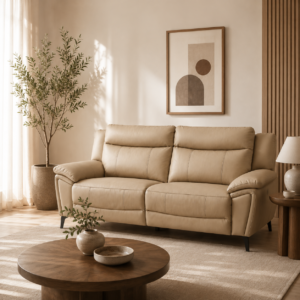
A sofa is one of the most frequently used pieces of furniture in any home. Whether you’re watching a movie, entertaining guests, working from home, or simply relaxing after a long day, comfort matters.
Unfortunately, many homeowners choose a sofa based on appearance alone. While a sofa may feel comfortable during a five-minute showroom test, it can become noticeably less supportive after months—or even weeks—of everyday use.
The good news is that there are several telltale signs you can look for before making a purchase. By paying attention to construction, materials, and ergonomics, you’ll be far more likely to choose a comfortable sofa that continues to provide support for years to come.
Here are five signs that a sofa may not be comfortable in the long run.
1. The Seat Cushions Feel Too Soft
Many people assume softer always means better.
In reality, cushions that are extremely soft often lose their shape much faster than firmer, high-quality cushions.
What Happens Over Time?
Very soft cushions may:
- Flatten quickly
- Lose support
- Create uneven seating
- Require frequent fluffing
After months of daily use, the sofa may feel noticeably less comfortable than when it was new.
What to Look For Instead
Choose cushions that provide a balance between softness and support.
High-density foam combined with quality cushioning materials typically offers greater durability while maintaining comfort.
2. The Seat Is Too Deep or Too Shallow
One sofa doesn’t fit every body type.
Seat depth plays a major role in long-term comfort.
A Seat That’s Too Deep
If the seat is too deep:
- Your feet may not rest comfortably on the floor.
- You’ll need extra cushions for back support.
- Sitting upright becomes tiring.
A Seat That’s Too Shallow
If it’s too shallow:
- Your legs may feel unsupported.
- Lounging becomes uncomfortable.
- The sofa may feel cramped.
Before buying, sit naturally and make sure your back rests comfortably against the back cushion while your feet remain flat on the floor.
3. The Backrest Doesn’t Provide Proper Support
Back support is often overlooked during sofa shopping.
Many modern sofas feature low-profile backs for a sleek appearance, but style shouldn’t come at the expense of comfort.
A supportive backrest should:
- Support your lower back
- Encourage natural posture
- Allow comfortable sitting for extended periods
If you already feel yourself leaning forward after a few minutes, the sofa may not be suitable for everyday use.
4. The Frame Feels Weak or Unstable
Comfort isn’t only about cushions.
A sofa’s frame determines how well it maintains its shape over time.
Warning Signs
Avoid sofas that:
- Creak when you sit down
- Flex excessively
- Feel lightweight for their size
- Wobble during movement
A weak frame can eventually lead to sagging cushions and reduced overall comfort.
Look for Quality Construction
Solid wood frames are generally known for their strength, stability, and long lifespan.
Combined with quality craftsmanship, they provide a reliable foundation that helps maintain comfort for many years.
5. The Upholstery Doesn’t Suit Your Lifestyle
Comfort isn’t only about support—it’s also about how the sofa feels in everyday use.
The right upholstery depends on your household.
Fabric Sofas
Fabric upholstery offers:
- A soft feel
- Excellent breathability
- A cosy appearance
- A wide variety of colours and textures
Leather Sofas
Leather sofas provide:
- A luxurious look
- Easy cleaning
- Excellent durability
- Long-lasting performance
For homes with children or pets, choosing durable, easy-to-maintain upholstery can significantly improve long-term satisfaction.
Bonus Tip: Don’t Judge a Sofa in Five Minutes
One of the biggest mistakes homeowners make is rushing the decision.
Spend at least 10–15 minutes sitting on the sofa in different positions.
Try:
- Sitting upright
- Leaning back
- Lounging
- Resting your arms
- Changing positions
A sofa that remains comfortable throughout all these positions is more likely to perform well over time.
Other Features That Improve Long-Term Comfort
Besides cushions and upholstery, consider:
- Proper seat height
- Comfortable armrests
- High-resilience foam
- Quality suspension system
- Durable stitching
These details may seem small but contribute significantly to everyday comfort.
Why Investing in a Quality Sofa Pays Off
Although a high-quality sofa may require a larger upfront investment, it often provides better value over time.
Instead of replacing an uncomfortable sofa after only a few years, investing in quality materials and construction allows you to enjoy lasting comfort while reducing replacement costs.
A well-made sofa also retains its appearance longer, making it a worthwhile centrepiece for your living room.
Find Your Perfect Sofa at Home of Homes Furniture
A comfortable sofa is more than just a beautiful piece of furniture—it’s where everyday life happens.
At Home of Homes Furniture, we offer a carefully curated collection of sofas designed to combine timeless style, lasting comfort, and exceptional craftsmanship. Whether you’re furnishing a compact apartment or a spacious family home, our sofas are built to provide years of everyday comfort.
Visit our showroom or browse our collection online to discover a sofa that looks as good as it feels.