
Uncategorized
How to Create a Classic European-Inspired Living Room
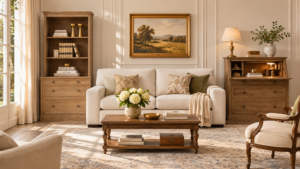
A classic European-inspired living room brings together timeless furniture, natural materials, elegant detailing and a carefully balanced colour palette. Rather than following short-lived interior trends, this style focuses on pieces that feel considered, comfortable and visually enduring.
From upholstered sofas and solid wood cabinets to decorative lighting and traditional accessories, every element contributes to the overall character of the room.
However, creating this look does not mean filling your living room with antique furniture or elaborate decorations. The key is knowing how to combine traditional design elements with practical furniture and a layout that suits modern living.
If you are planning to create a classic European-inspired living room, here are nine design ideas to help you achieve the look.
1. Start with a Warm and Neutral Colour Palette
Colour is one of the foundations of a classic European interior. Rather than relying on bold contrasts, this style often uses warm neutrals and muted tones to create a comfortable and cohesive atmosphere.
Consider using a combination of:
- Warm ivory and cream: Suitable for walls, sofas and larger upholstered pieces.
- Beige and taupe: Add warmth without making the room feel too dark.
- Soft grey: Creates a subtle contrast and works well with traditional furniture.
- Deep brown: Introduces richness through wooden furniture and decorative details.
- Muted blue or sage green: Adds colour while maintaining a restrained palette.
You do not need to use all these colours at once. Start with two or three main shades and introduce additional tones through furniture, cushions, rugs and accessories.
For example, cream upholstery paired with walnut or mahogany furniture creates a warm contrast. Alternatively, light oak furniture against soft beige walls can produce a more understated European-inspired interior.
The aim is to create a palette where the different elements complement one another rather than compete for attention.
2. Choose Furniture with Classic European Details
Furniture plays a central role in defining a classic European-inspired living room. Look for pieces with thoughtful proportions, traditional detailing and materials that bring character to the space.
Some design features commonly associated with classic European furniture include:
- Curved or gently shaped furniture silhouettes
- Decorative mouldings and carved details
- Turned or tapered wooden legs
- Panelled cabinet doors
- Traditional handles and metal hardware
- Upholstered seating with considered proportions
These details can make a room feel more established and distinctive without requiring excessive decoration.
A classic wooden display cabinet, for example, can become a focal point while providing space for books and decorative objects. A traditional writing cabinet can also introduce both storage and character into a living area.
When selecting furniture, consider how each piece relates to the others. A room with several heavily detailed furniture pieces may feel visually crowded. Balance more decorative designs with simpler silhouettes and understated upholstery.
3. Incorporate Solid Wood Furniture
Wood is one of the most important materials in a classic European-inspired living room. Its natural grain, colour variations and texture bring depth to an interior, particularly when paired with neutral walls and upholstery.
Different wood finishes can create different effects.
Mahogany
Mahogany is associated with rich reddish-brown tones and traditional furniture design. It works particularly well in interiors with classic detailing, warm lighting and cream or beige upholstery.
Oak
Oak offers a more versatile appearance, with visible grain patterns and a range of natural tones. It can work in both traditional and transitional European-inspired spaces.
Walnut
Walnut is known for its deeper brown tones and distinctive grain. It can introduce contrast and sophistication without relying on decorative finishes.
Teak
Teak brings warm golden-brown colouring and natural character. It can complement neutral upholstery, textured fabrics and other natural materials.
You can introduce wood through a coffee table, display cabinet, sideboard, bookshelf or occasional table.
There is no need for every wooden piece to have exactly the same finish. Combining different wood tones can create depth, provided the undertones and overall palette work together.
For more guidance, read our article on solid wood furniture:
https://www.homeofhomes.com.sg/why-singapore-homeowners-choose-solid-wood-furniture/
4. Select Upholstered Seating in Timeless Colours
A sofa is often the largest and most frequently used piece of furniture in a living room. It should provide everyday comfort while supporting the overall interior style.
For a classic European-inspired living room, consider upholstered sofas in cream, ivory, beige or soft taupe.
These colours work particularly well with traditional wooden furniture because they create contrast without making the room feel too stark.
When choosing a sofa, consider:
Shape and proportions
Traditional-inspired sofas may feature gently curved arms, structured backrests or more generous proportions. Choose a silhouette that complements the scale of your room.
Upholstery material
Fabric upholstery can create a softer, more relaxed appearance. Consider the texture, maintenance requirements and suitability for everyday use before choosing a material.
Cushion design
Structured cushions can create a more tailored look, while softer cushions introduce a relaxed quality. Both can work within a classic interior.
Comfort
Pay attention to seat depth, cushion firmness and back support. A living room should be comfortable enough for everyday use, not simply designed for appearance.
A cream two-seater sofa, for example, can work beautifully alongside a wooden bookcase or display cabinet. The lighter upholstery balances the richer tones of the wood and helps the room feel more open.
5. Add Display Cabinets and Bookcases for Character
Storage furniture can be more than a practical addition. In a classic European-inspired living room, display cabinets and bookcases can contribute significantly to the character of the interior.
A wooden bookcase provides space for books, framed photographs, ceramics and collected decorative pieces. Its vertical structure can also draw attention upwards, making use of wall height.
A display cabinet offers another way to introduce visual interest. Depending on its design, it can feature open shelving, glass doors or enclosed storage.
When choosing these pieces, consider:
- The available wall space and ceiling height
- Whether you need open or concealed storage
- The wood finish in relation to other furniture
- The proportions of the cabinet
- How you intend to arrange the items inside
Avoid filling every shelf. A combination of books, ceramics, decorative objects and open space creates a more balanced display.
A writing cabinet or secretary desk can also be an interesting addition. It offers a practical surface for occasional work while providing shelves and drawers for storage. When not in use, it can sit comfortably within the living room as part of the overall furniture arrangement.
6. Layer Different Textures and Fabrics
A successful classic interior is not only about colour and furniture design. Texture is equally important.
Combining different materials helps create depth and prevents a neutral living room from feeling flat.
Consider introducing:
Soft upholstery
Linen-look fabrics, woven upholstery and textured cushions can soften the appearance of wooden furniture.
Natural wood
Wood introduces warmth and visible grain, providing contrast against smoother surfaces.
Decorative rugs
A patterned or textured rug can help define the seating area and bring the furniture arrangement together.
Curtains
Floor-length curtains can frame windows and soften the overall appearance of the room. Neutral fabrics work particularly well with traditional furniture.
Ceramics and glass
Vases, bowls and decorative accessories introduce different surface finishes without requiring additional furniture.
The key is to vary textures while keeping the colour palette consistent. For example, cream upholstery, a natural wood coffee table, a patterned rug and ceramic accessories can create a layered interior without relying on strong colours.
7. Use Lighting to Create a Warm and Balanced Atmosphere
Lighting has a significant influence on how furniture, colours and materials appear within a room.
A classic European-inspired living room benefits from a combination of general lighting, task lighting and decorative lighting.
Ceiling lighting
A chandelier or traditional ceiling fixture can introduce a decorative focal point. Choose a design that is proportionate to the room rather than one that overwhelms the space.
Table lamps
Table lamps placed on sideboards, console tables or occasional tables provide softer lighting for the evening.
Floor lamps
A floor lamp beside a sofa or reading chair can create a comfortable reading area while adding height to the furniture arrangement.
Natural light
Make the most of available daylight. Keep window areas relatively clear and consider curtains that allow light into the room while providing privacy when needed.
Warm lighting generally complements cream upholstery, rich wood finishes and traditional decorative details.
Rather than depending on one bright overhead light, use several sources to create a more comfortable and flexible lighting arrangement.
8. Arrange Furniture Around Comfort and Proportion
Even beautiful furniture can look out of place if the layout does not suit the room.
A classic European-inspired living room should feel balanced, with enough space for movement and comfortable conversation.
Start by identifying the main seating area. Position the sofa so that it creates a natural focal point, whether that is a fireplace, television, window or central coffee table.
Here are a few practical layout considerations:
Create a clear seating arrangement
Position the sofa and additional chairs so people can comfortably interact. Avoid placing every piece of furniture directly against the walls if the room allows for a more flexible arrangement.
Choose a proportionate coffee table
The coffee table should relate to the size of the sofa and leave enough space for people to move around it.
Use cabinets thoughtfully
Position bookcases and display cabinets along suitable walls where they provide storage without obstructing windows, doors or walkways.
Maintain comfortable circulation
Allow enough clearance between furniture pieces and around the main walking routes. Consider how people enter, move through and use the room.
Avoid overcrowding
A classic interior does not need to contain numerous decorative furniture pieces. A well-chosen sofa, coffee table, cabinet and occasional chair may be enough to create a complete arrangement.
The goal is to create a living room that looks considered while remaining practical for everyday life.
9. Complete the Look with Carefully Chosen Accessories
Accessories help bring the different elements of a classic European-inspired living room together.
However, the most effective arrangements are often selective. Instead of filling every surface, choose a few pieces that complement the furniture and overall colour palette.
Consider these finishing touches:
Artwork and framed prints
Traditional landscapes, architectural prints and understated artwork can complement classic furniture. Choose frames that relate to the wood tones or metal finishes in the room.
Decorative mirrors
A framed mirror can add visual interest and help reflect natural light. It works particularly well above a console table or sideboard.
Vases and ceramics
Ceramic vases, decorative bowls and glass accessories can introduce different textures and finishes.
Books and personal objects
Books and collected objects can make a living room feel more personal. Arrange them in small groups rather than displaying everything at once.
Cushions and throws
Use cushions and throws to introduce subtle colour variations and texture. Muted blues, warm neutrals and soft patterns can work well with cream upholstery and darker wooden furniture.
The most important thing is to maintain a sense of balance. Accessories should complement the furniture rather than become the main focus of the room.
Common Mistakes to Avoid When Creating a Classic European-Inspired Living Room
Creating this style is about combining traditional elements with thoughtful proportions. A few common mistakes can make the result feel overly formal or visually crowded.
Using too many dark wood finishes
Dark wood can add richness, but using it on every major furniture piece may make the room feel heavy. Balance darker furniture with cream upholstery, lighter walls and natural textures.
Choosing furniture that is too large
Traditional furniture can have substantial proportions. Always measure your room before purchasing sofas, cabinets and coffee tables.
Mixing too many decorative styles
Combining classic European furniture with several unrelated design styles can make the room feel inconsistent. Establish a clear direction and introduce contrasting pieces selectively.
Overdecorating shelves and surfaces
Too many accessories can distract from the furniture itself. Leave some open space between decorative objects.
Ignoring lighting
A room may have beautiful furniture but still feel uncomfortable if the lighting is too harsh or insufficient. Combine natural light with several softer lighting sources.
Prioritising appearance over comfort
A living room should support how you actually spend time at home. Choose seating and furniture that are comfortable and practical, not just visually appealing.
Frequently Asked Questions About Classic European-Inspired Living Rooms
1. What defines a classic European-inspired living room?
A classic European-inspired living room typically combines traditional furniture silhouettes, natural wood finishes, neutral colours, decorative detailing and layered textures. The style focuses on timeless design and balanced proportions rather than following short-lived trends.
2. What colours work best for a classic European living room?
Warm ivory, cream, beige, taupe and soft grey are popular foundation colours. Rich brown wood tones can add depth, while muted blue, sage green and other understated colours introduce subtle contrast.
3. What type of wood furniture suits a European-inspired interior?
Mahogany, oak, walnut and teak can all work well. Mahogany and walnut create a richer, more traditional appearance, while oak and teak can offer a lighter and more relaxed look.
4. Can classic European furniture work in a modern home?
Yes. The style can be adapted to modern homes by combining traditional furniture with simpler upholstery, neutral walls, contemporary lighting and a less formal layout. Choosing a few distinctive classic pieces rather than furnishing the entire room in one style can create a balanced result.
5. How do I make a classic living room feel less formal?
Use comfortable upholstered seating, softer fabrics, warm lighting and natural accessories. Avoid overcrowding the room with elaborate furniture and decorative objects. A relaxed arrangement can make traditional furniture feel more suitable for everyday living.
6. How do I mix dark wood furniture with light-coloured upholstery?
Dark wood and light upholstery naturally create contrast. Keep the walls and larger surfaces relatively neutral, then introduce complementary colours through cushions, rugs and accessories. Repeating a few wood tones or textures throughout the room can help create a cohesive appearance.
7. Is a classic European-inspired living room suitable for a small space?
Yes. Choose furniture with appropriate proportions and avoid overcrowding the room. A compact upholstered sofa, a carefully selected wooden cabinet and a smaller coffee table can introduce the style without taking up too much floor space.
Create a Living Room That Stands the Test of Time
A classic European-inspired living room is built around thoughtful furniture choices, natural materials and details that bring character to a space. From a comfortable upholstered sofa and solid wood bookcase to carefully selected lighting and decorative accessories, each element contributes to the overall design.
You do not need to recreate a traditional European home in every detail. Start with furniture that suits your space, introduce warm wood finishes and neutral upholstery, and build the look through textures, lighting and carefully chosen accessories.
At Home of Homes, explore furniture inspired by classic European design, including upholstered sofas, wooden cabinets, bookcases and statement pieces for different living spaces.
Discover our collections at https://www.homeofhomes.com.sg/shop/ or visit our showroom to experience the furniture and finishes in person.