
Uncategorized
Solid Wood Furniture Layout: Avoid This Common Mistake
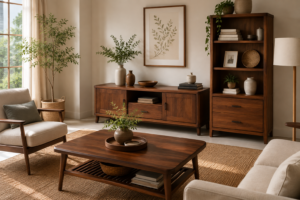
A solid wood furniture layout can completely change how a room feels. Solid wood furniture brings warmth, natural character and timeless appeal, but arranging too many substantial pieces in the wrong way can make a space feel cramped or visually heavy.
This is especially noticeable with darker or larger furniture such as mahogany sideboards, solid wood cabinets, display cupboards and large dining tables. Each piece can look beautiful on its own, but when several heavy pieces are grouped together, the room may lose its sense of openness.
The solution isn’t to avoid solid wood furniture. Instead, it’s about understanding furniture placement, scale, proportion, colour and visual balance.
With the right arrangement, even substantial wooden furniture can make a room feel elegant, welcoming and thoughtfully designed.
The Biggest Solid Wood Furniture Layout Mistake: Too Many Heavy Pieces Together
When planning a solid wood furniture layout, one of the easiest mistakes to make is placing several visually heavy pieces in the same area.
Imagine a living room with a large solid wood coffee table, a substantial TV cabinet, a dark sideboard and a tall display cabinet. Individually, each piece may be attractive and practical. Together, however, they can create a large concentration of visual weight.
The room can start to feel smaller simply because there are fewer areas for the eye to rest.
This doesn’t necessarily mean you have too much furniture. It may simply mean that the furniture is too concentrated in one part of the room.
How to fix it
Try distributing your furniture across the room rather than placing every substantial piece against the same wall.
For example, you could use:
- A solid wood TV cabinet as the main anchor
- A coffee table in the centre of the seating area
- A sideboard on a different wall
- A lighter accent chair opposite the heavier furniture
- Open space around larger cabinets
This creates a more balanced visual flow.
Give Your Solid Wood Furniture Enough Breathing Room
One of the simplest ways to make substantial furniture feel lighter is to give it enough space.
A large solid wood sideboard pushed tightly between two other pieces can look much heavier than the same sideboard positioned with generous space around it.
Negative space gives furniture room to breathe and allows its design details to become more visible.
This is particularly important for pieces with:
- Carved details
- Decorative mouldings
- Turned legs
- Rich mahogany finishes
- Pronounced wood grain
- Traditional British Colonial details
Instead of filling every empty corner, consider leaving some walls and floor space intentionally open.
A beautiful piece of furniture doesn’t always need another piece beside it.
Sometimes, less makes the furniture look more luxurious.
Avoid Putting Every Large Piece Against the Same Wall
Creating a “furniture wall” is another common problem.
A sideboard, chest of drawers, display cabinet and TV console may all be useful, but placing them together can create one long, visually dense block.
Instead, think about how each piece functions within the room.
For example, in a living room, the TV cabinet can become the main focal point while a sideboard sits on a perpendicular wall.
In a dining room, the dining table should remain the centre of attention, while a display cabinet or sideboard can provide storage without competing with the table.
This approach makes your solid wood furniture arrangement feel more intentional.
Balance Dark Solid Wood with Lighter Elements
Dark wood doesn’t automatically make a room look small.
The surrounding colours and materials make a significant difference.
Mahogany and other rich wood finishes can bring depth, warmth and sophistication to an interior. However, when several dark pieces are placed together, the room can feel visually dense.
Balance them with lighter elements such as:
- Cream upholstery
- Warm white walls
- Beige or natural rugs
- Linen curtains
- Light-coloured cushions
- Pale timber accents
- Glass surfaces
- Green plants
For example, a dark mahogany sideboard can look beautiful against a warm neutral wall with a simple ceramic vase, greenery and soft lighting.
The contrast allows the furniture to stand out without dominating the entire room.
Mix Wood Tones Instead of Matching Everything
A common misconception is that all wooden furniture in a room needs to have the exact same finish.
It doesn’t.
In fact, using several complementary wood tones can make an interior feel more layered and collected.
You might combine:
- Dark mahogany furniture
- Medium-toned timber flooring
- Light wood accent chairs
- Neutral upholstery
- Small dark wood decorative details
The key is to create a visual connection between the different tones.
You can repeat a darker wood colour through smaller elements such as picture frames, lamps, trays or decorative accessories.
This creates cohesion without making the entire room look like a matching furniture set.
How Furniture Height Affects Your Solid Wood Furniture Layout
Height is another important consideration when creating a balanced solid wood furniture layout.
Imagine a room with a tall display cabinet, tall bookcase, high chest of drawers and another tall storage unit. Even if the floor area isn’t particularly crowded, the room may feel enclosed because so much furniture occupies the vertical space.
Try mixing different furniture heights instead.
For example:
Tall display cabinet → open wall space → low sideboard
Or:
Tall cabinet → medium-height console → open floor area
This creates visual rhythm and prevents the room from feeling like one continuous wall of furniture.
Tall solid wood furniture can be dramatic and elegant, but it generally looks better when it has enough surrounding space.
Use the Floor to Create Visual Breathing Space
The area underneath furniture also influences how heavy a piece looks.
Furniture with visible legs allows more flooring to remain visible, which can make a room feel more open.
For example, a solid wood console with raised legs may visually feel lighter than a large cabinet that sits completely flush with the floor.
This doesn’t mean every piece needs slim or delicate legs.
A substantial wooden cabinet can still work beautifully. The key is to create variation between pieces.
You could pair a grounded solid wood cabinet with a coffee table or side table that has visible legs.
This small contrast can make the entire room feel less dense.
Choose the Right Rug for Your Furniture Arrangement
A rug can help bring a furniture arrangement together.
When a rug is too small, the furniture may appear disconnected and scattered around the room.
A larger rug can visually group the sofa, coffee table and chairs into one cohesive seating zone.
This is particularly helpful when using substantial solid wood furniture because the softness and texture of the rug create contrast against the harder surface of timber.
For a room with darker wood, a neutral textured rug can also help brighten the overall composition without taking attention away from the furniture.
Let One Solid Wood Piece Be the Hero
If you have a beautiful statement piece, don’t make it compete with several other statement pieces.
Choose one main focal point.
This could be:
- A classic mahogany sideboard
- A large solid wood dining table
- A carved display cabinet
- A traditional wooden bed
- A statement console
- A British Colonial cabinet
Once you’ve chosen the hero piece, allow the surrounding furniture to play a supporting role.
For example, if you have an ornate mahogany sideboard, you don’t necessarily need another heavily carved cabinet directly beside it.
Keep the surrounding pieces simpler.
This allows the craftsmanship, grain and detailing of the main piece to become more noticeable.
Mix Solid Wood with Softer Materials
A room filled almost entirely with hard wooden surfaces can sometimes feel visually rigid.
Introduce softer materials to create contrast.
Solid wood + linen
Creates a relaxed, natural atmosphere.
Solid wood + upholstered furniture
Softens the visual presence of substantial wooden pieces.
Solid wood + glass
Introduces transparency and makes the arrangement feel lighter.
Solid wood + rattan
Adds texture and a relaxed, tropical influence.
Solid wood + metal
Can give traditional wooden furniture a more contemporary appearance.
The goal isn’t to hide the beauty of solid wood.
It’s to create enough material contrast for each element to stand out.
Don’t Forget the Walking Path
A beautiful furniture arrangement isn’t useful if you can’t move comfortably around it.
When planning furniture placement, consider how you actually use the room.
Ask yourself:
- Can people walk comfortably around the coffee table?
- Can cabinet doors open fully?
- Can drawers be pulled out without hitting another piece?
- Can dining chairs move back comfortably?
- Is there enough space around the bed?
- Can you easily access storage?
This is especially important with solid wood furniture because substantial pieces can be difficult to move once they’re positioned.
Always consider function before finalising the arrangement.
How to Make a Small Room Work with Solid Wood Furniture
You don’t need a large home to enjoy solid wood furniture.
The key is being selective.
Choose Fewer Solid Wood Statement Pieces
Instead of filling a small room with multiple cabinets, choose one or two pieces that provide both function and visual impact.
A well-designed sideboard can sometimes provide enough storage without needing an additional chest or cabinet.
Keep the Surrounding Colours Light
Warm white, cream, beige and soft neutral tones can help balance darker wood.
This creates contrast while maintaining a warm atmosphere.
Use Furniture with Visible Legs
Raised furniture can allow more flooring to remain visible, helping the room feel more spacious.
Avoid Unnecessary Duplication
Before buying another storage piece, consider whether you actually need it.
A room can feel more sophisticated when every piece has a clear purpose.
Use Lighting to Balance Heavy Furniture
Lighting is often overlooked when arranging wooden furniture.
A dark piece can appear considerably heavier in a poorly lit corner.
Natural daylight is ideal, but you can also use:
- Floor lamps
- Table lamps
- Wall lighting
- Warm ambient lighting
- Accent lighting inside display cabinets
If you have a dark wooden cabinet in one corner, adding a lamp nearby can visually brighten the area.
This is particularly effective with mahogany and other rich wood finishes.
Think About Proportion, Not Just Size
A piece doesn’t have to be physically large to look heavy.
A dark, solid cabinet with thick framing may have more visual weight than a larger piece with open shelving and lighter finishes.
When choosing furniture, consider:
Width + height + colour + material + shape + surrounding space
All of these factors contribute to how heavy a piece feels within a room.
A good solid wood furniture arrangement balances these characteristics rather than focusing only on measurements.
Solid Wood Furniture Doesn’t Have to Look Heavy
The beauty of solid wood furniture is its presence.
Natural grain, substantial construction, warm finishes and carefully crafted details can give a room a sense of permanence and character.
The goal isn’t to make solid wood furniture disappear.
Instead, a thoughtful solid wood furniture layout allows each piece to stand out while keeping the overall room comfortable and balanced.
Think of the space around your furniture as part of the design.
A beautiful sideboard needs a wall.
A statement dining table needs breathing room.
A tall cabinet needs visual space above and around it.
And a substantial coffee table needs enough room for people to move comfortably around it.
When these relationships are considered, solid wood furniture becomes an asset rather than something that overwhelms the room.
Final Thoughts: Let Your Furniture Breathe
The biggest mistake when styling solid wood furniture isn’t necessarily choosing the wrong furniture. It’s putting too much visual weight in one area.
A successful solid wood furniture layout combines substantial pieces with negative space, lighter materials, varied heights and complementary colours.
You don’t need to make every piece match, and you don’t need to fill every empty corner.
Instead, give each piece enough room to breathe and allow the natural beauty of the wood to become part of the overall interior.
Whether you’re furnishing a living room, dining area, bedroom or entryway, thoughtful furniture placement can make even substantial solid wood pieces feel elegant and balanced.
If you’re looking for solid wood furniture that brings warmth, character and timeless style into your home, explore the collection at Home of Homes. From dining tables and sideboards to display cabinets, chests of drawers and statement pieces, choose furniture that works with your space—not against it.
Explore Home of Homes:
https://www.homeofhomes.com.sg/