
Uncategorized
Should Your Dining Table Be Lighter or Darker Than Your Floor?
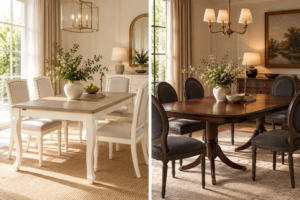
Choosing the right dining table colour for wood floors can make a noticeable difference to your dining room. The right combination creates balance, adds depth and helps the furniture feel connected to the rest of the space. However, choosing a table that matches your flooring exactly is not always the best approach.
Some dining rooms look more refined with dark wood furniture against light floors. Others feel warmer and more cohesive when the table and flooring share similar tones. The best choice depends on your interior style, natural lighting, wall colours and the overall atmosphere you want to create.
For Singapore homes, where dining areas often share space with the living room, these details matter even more. A well-chosen dining table can define the dining zone without making the entire space feel crowded.
In this guide, we explain how to choose a dining table colour for wood floors, whether you prefer a contemporary interior, a classic European look or the timeless appeal of solid wood furniture.
Should Your Dining Table Be Lighter or Darker Than Your Floor?
There is no single rule that works for every home. Both lighter and darker dining tables can look beautiful with wood flooring. What matters most is creating a deliberate relationship between the two surfaces.
A lighter table against darker flooring creates contrast. This helps the table stand out and can prevent a dining room from feeling too heavy. On the other hand, a darker table against light flooring adds depth and gives the dining area a stronger focal point.
You can also choose a table with a similar colour to your floor. This approach works particularly well when you want a calm, coordinated interior. However, the wood grain, finish or table legs should provide enough visual distinction to keep the furniture from blending into the background.
Before choosing a finish, consider three things: the lightness or darkness of your floor, its underlying colour tone and the style of your home.
1. Light Wood Floors: Choose Contrast or a Soft, Natural Palette
Light wood flooring is a versatile starting point. It can make a room feel bright and open, particularly when paired with neutral walls and natural light.
However, choosing the right dining table colour for wood floors in lighter shades requires some thought. A table that is almost identical to the floor may create a seamless appearance, but it can also make the dining area feel flat if every other surface is similarly pale.
Dark wood dining tables add depth
A dark mahogany or walnut-toned dining table can create a striking contrast against light oak-look flooring or pale timber finishes.
This combination works particularly well in modern classic and British Colonial interiors. The darker furniture introduces richness, while the lighter floor keeps the room from feeling overly formal.
To balance the contrast, consider cream dining chairs, warm white walls and simple accessories. These lighter elements connect the two wood tones without competing for attention.
Medium wood tones offer a balanced alternative
If a dark dining table feels too dramatic, consider a medium brown finish.
Medium wood tones can bridge the gap between pale flooring and darker furniture elsewhere in the home. They also work well in open-plan layouts where the dining table needs to coordinate with a living room sofa, TV console or sideboard.
For a natural appearance, look for a finish with visible grain rather than a colour that appears completely uniform.
Can you choose a light dining table with light floors?
Yes. A light-on-light combination can create a relaxed, minimalist interior.
The key is to introduce variation through texture and shape. For example, a natural wood table can sit comfortably on pale flooring when paired with upholstered dining chairs, a textured rug or darker decorative accents.
This approach is especially suitable for Scandinavian-inspired and contemporary homes.
2. Dark Wood Floors: Should You Choose a Lighter Dining Table?
Dark flooring can create an elegant foundation for a dining room. Nevertheless, pairing it with equally dark furniture requires careful consideration.
If the room receives limited natural light, too many dark surfaces may make the space feel visually dense. A lighter or medium-toned dining table can help create separation between the floor and the furniture.
Light wood creates a clear contrast
A natural oak or lighter brown table can stand out beautifully against deep brown flooring.
This combination introduces contrast without requiring bright colours or decorative finishes. It is also a practical option for homeowners who want dark flooring but prefer a brighter dining area.
Cream or beige upholstery can reinforce the effect. Meanwhile, warm lighting helps the different wood tones feel connected.
Medium brown creates a softer transition
A medium brown dining table offers an alternative to strong light-dark contrast.
This works well when the rest of the home already contains several wood finishes. Rather than introducing another extreme, a medium tone can help connect the floor with existing furniture.
Pay attention to undertones, particularly when the flooring has a reddish, golden or grey-brown appearance.
Can a dark dining table work with dark floors?
Absolutely. A dark table paired with dark flooring can create a sophisticated, cohesive interior.
The important thing is to avoid making every element equally heavy. Consider lighter dining chairs, a pale rug, cream walls or a statement pendant light to introduce visual variation.
You can also choose a table with distinctive grain, a sculptural base or a different finish from the floor. These details help the furniture remain visible even when the colours are similar.
3. Pay Attention to Wood Undertones, Not Just Colour
One of the most overlooked aspects of choosing a dining table colour for wood floors is undertone.
Two finishes can both appear brown but still look noticeably different when placed beside each other. One may have golden or reddish undertones, while the other appears cooler or more grey.
These differences can influence whether the combination feels harmonious.
Warm wood tones
Warm finishes often contain golden, amber, reddish or orange-brown undertones. Mahogany, for example, is often associated with rich reddish-brown colour.
Warm wood can work beautifully with cream walls, beige upholstery, warm neutral flooring and natural materials.
For a classic interior, pairing warm flooring with a deeper mahogany dining table can create a layered and inviting atmosphere.
Cool wood tones
Cooler finishes may have grey, muted brown or ashy undertones.
These can suit contemporary interiors with cooler wall colours, stone surfaces, black accents or minimalist furniture.
If your floor has a grey-brown appearance, compare it with the dining table finish in the actual room. A strongly golden or reddish table may create more contrast than you intended.
How to check undertones at home
Instead of relying only on online product photos, compare a wood sample or finish swatch against your flooring.
Look at it during the day and again in the evening under your usual lighting. Natural and artificial light can change how a finish appears.
For more guidance on coordinating timber colours, read our article:
https://www.homeofhomes.com.sg/how-to-choose-the-right-wood-tone-for-your-flooring-and-walls/
4. Should Your Dining Table Match Your Other Furniture?
Your dining table does not need to match your floor, dining chairs, sideboard and TV console exactly.
In fact, using the same finish on every piece can make an interior feel overly coordinated. A more considered approach is to select a small number of related wood tones and repeat them throughout the home.
For example, a dark mahogany dining table can work with lighter flooring, cream upholstered chairs and a medium-brown sideboard. The pieces have different finishes, but the overall palette still feels connected.
Likewise, a light wood dining table can sit comfortably alongside a darker display cabinet when the rest of the room contains complementary colours and materials.
Use one dominant wood tone
Start by identifying the most prominent wood finish in the room. In many homes, this is the flooring.
Next, choose a dining table that either complements the floor or deliberately contrasts with it. Finally, introduce one or two supporting wood tones through chairs, cabinets or occasional furniture.
This approach helps maintain visual consistency without making every piece look identical.
For more ideas, read:
https://www.homeofhomes.com.sg/mixing-mahogany-and-light-wood-how-to-make-it-work/
5. Choose a Dining Table Colour That Suits Your Interior Style
The best dining table colour for wood floors also depends on the atmosphere you want to create.
Modern minimalist interiors
For a minimalist dining room, consider a natural wood table with a simple silhouette.
Light or medium wood can maintain an airy appearance, while a dark table can introduce a strong focal point against pale walls and flooring.
Keep surrounding furniture relatively simple so the grain and shape of the table remain visible.
British Colonial interiors
British Colonial interiors often combine rich wood finishes with lighter, more relaxed elements.
A dark mahogany dining table can create the foundation for this look, especially when paired with cream upholstery, natural textures and understated accessories.
If your flooring is light, the contrast can highlight the table’s craftsmanship. Darker flooring can also work, provided the room has enough variation in its walls, seating and lighting.
Modern classic interiors
Modern classic spaces balance traditional materials with contemporary proportions.
A medium or dark wood dining table can work well with upholstered dining chairs, clean-lined lighting and restrained decorative details.
Rather than matching every wood finish, focus on the relationship between the furniture shapes, colour palette and overall visual weight.
6. Consider the Size and Lighting of Your Dining Area
Colour is only one part of the decision. The size of the room and the amount of natural light can influence how a dining table looks against the floor.
In a compact HDB dining area, a dark table can still look elegant. However, if the flooring, chairs and surrounding cabinetry are also dark, the dining zone may feel heavier than intended.
You can balance this with lighter upholstery, open space around the table and a less visually bulky design.
In a larger dining room, darker furniture can provide definition and help the dining area feel grounded.
Lighting also matters. A table that looks warm and rich in a showroom may appear cooler or darker in your home. Check the finish under lighting conditions similar to those you use every day.
Before purchasing, measure the dining area and consider the space needed to pull out chairs and move around the table comfortably.
7. Why Solid Wood Dining Tables Are Worth Considering
Once you have decided on the colour, consider the material and construction of your dining table.
Solid wood offers natural grain variation, tactile character and a sense of permanence that suits both classic and contemporary interiors. Each piece has its own grain pattern, so the finished table will not look exactly like another table in the same finish.
It is also versatile when styling your home. A solid wood dining table can become a statement piece against pale flooring or provide a rich, grounded appearance in a room with lighter furniture.
Quality still matters. Wood species, construction, joinery, finishing and maintenance all affect how a table performs over time.
Solid wood also responds to changes in temperature and humidity, so appropriate drying, finishing and care are important, particularly in Singapore’s tropical climate.
To learn more about the benefits and considerations, read:
https://www.homeofhomes.com.sg/why-singapore-homeowners-choose-solid-wood-furniture/
You can also explore our guide to solid mahogany furniture:
https://www.homeofhomes.com.sg/solid-mahogany-furniture-a-timeless-choice-for-singapore-homes/
8. Common Mistakes When Pairing Dining Tables with Wood Floors
Even a beautiful dining table can look out of place when its finish is not considered alongside the rest of the room.
Here are a few mistakes to avoid.
Choosing a finish based on a product photo alone. Screen settings and lighting can affect how wood colours appear. Compare samples in your own space whenever possible.
Matching every wood tone exactly. A perfectly coordinated room can work, but identical colours and finishes are not necessary for a cohesive interior.
Ignoring undertones. A warm reddish-brown table may look different beside cool grey flooring, even if the two finishes have a similar overall darkness.
Making the entire room too dark. Dark wood can look sophisticated, but consider balancing it with lighter upholstery, walls, rugs or accessories.
Forgetting the dining chairs. Chairs occupy a significant amount of visual space. Their frame colour and upholstery should complement both the table and flooring.
Choosing colour before considering proportions. A finish may look beautiful, but the table must also suit the room’s dimensions and allow comfortable movement.
9. A Simple Formula for Choosing the Right Dining Table Colour
If you are still unsure, use this simple approach.
- Light floor + dark table: Choose this for contrast, depth and a defined focal point.
- Dark floor + light table: Choose this for a brighter appearance and clearer separation.
- Light floor + light table: Choose this for a soft, understated look, using texture to create interest.
- Dark floor + dark table: Choose this for a rich, cohesive interior, balanced with lighter elements.
- Mixed wood tones: Choose finishes with compatible undertones and repeat them elsewhere in the room.
These are starting points rather than strict rules. The right choice depends on your room, furniture and personal style.
For additional inspiration on combining timber finishes, the American Hardwood Information Center offers resources on hardwood species, appearance and furniture.
Find the Right Dining Table for Your Home
The right dining table colour for wood floors is not necessarily lighter or darker. It is the finish that creates the right balance between the floor, furniture, lighting and overall style of your home.
A dark solid wood table can bring depth and character to a bright dining room. Meanwhile, a lighter finish can soften dark flooring and create a more relaxed atmosphere. Both approaches can work beautifully when the colours, proportions and materials are considered together.
At Home of Homes Singapore, our dining collection includes European-inspired designs with options in different dimensions and finishes, making it easier to find a table that suits your home and lifestyle.
Explore our dining tables and chairs:
https://www.homeofhomes.com.sg/product-category/dining/
Whether you prefer the richness of dark wood or the simplicity of a lighter finish, choose a dining table that feels right for your space and is made to be enjoyed for years to come.
Frequently Asked Questions
Should a dining table be lighter or darker than the floor?
Neither is automatically better. A lighter table can brighten dark flooring, while a darker table can add depth to a light floor. Consider undertones, lighting and the rest of your furniture before deciding.
Can I match my dining table exactly to my wood floor?
Yes. Matching finishes can create a coordinated look, especially in traditional or minimalist interiors. However, differences in grain, texture, shape or surrounding furniture can help the table stand out.
What colour dining table goes with light wood floors?
Dark mahogany, walnut and medium brown finishes can create contrast against light wood floors. Alternatively, a natural light wood table can create a softer look when paired with different textures and complementary finishes.
What colour dining table works with dark wood floors?
Light oak, medium brown and selected neutral finishes can provide contrast against dark flooring. A dark table can also work if you introduce lighter upholstery, walls or accessories to balance the room.
Can I mix mahogany furniture with light wood flooring?
Yes. Mahogany can pair beautifully with light wood flooring because the contrast highlights the richness of the furniture. Cream upholstery, neutral walls and natural textures can help connect the different finishes.
Is solid wood a good choice for a dining table?
Solid wood is worth considering for its natural grain, character and long-term appeal. However, quality depends on construction, finishing and maintenance, so check these details before purchasing.
How do I choose the right dining table finish online?
Review product photos from different angles, check the available finish options and compare the colour with your existing flooring. If possible, view the table or a finish sample in person under your home’s lighting conditions.