
Uncategorized
Modern Classic Furniture vs British Colonial: What Is the Difference?
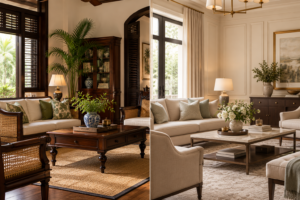
Modern classic furniture combines traditional elegance with clean, contemporary lines, while British Colonial furniture is recognised for rich wood tones, classic silhouettes and natural textures. Both styles offer a timeless alternative to trend-driven interiors, but they create different atmospheres in a home.
For Singapore homeowners, choosing between these styles depends on the look you prefer, the size of your space and how your furniture works with existing flooring, wall colours and finishes.
In this guide, we compare modern classic furniture and British Colonial style, exploring their defining characteristics, materials, colours and styling approaches to help you choose the right look for your home.
What Is Modern Classic Furniture?
Modern classic furniture brings traditional elegance into contemporary interiors. It combines balanced proportions, refined detailing and familiar furniture shapes with cleaner lines, understated finishes and a more flexible colour palette.
Rather than recreating a traditional interior exactly, the style takes inspiration from the past and adapts it for modern living.
Key characteristics of modern classic furniture
Clean, elegant silhouettes
Furniture often features graceful curves, balanced proportions and streamlined outlines. Traditional elements may remain, but excessive ornamentation is generally avoided.
A refined neutral palette
Cream, beige, warm white, taupe and soft grey are common choices. Wood tones and metallic accents can introduce contrast without overwhelming the room.
A considered mix of materials
Wood, upholstered fabrics, glass, marble and metal can work together to create a layered but cohesive interior.
Subtle decorative details
Elegant legs, understated mouldings, refined hardware and tailored upholstery contribute to the overall appearance without making furniture feel overly elaborate.
Contemporary functionality
The style suits modern routines, from everyday dining to entertaining guests. Furniture should look sophisticated while remaining practical for daily use.
Modern Classic is a suitable choice for homeowners who appreciate traditional design but prefer a lighter, more understated interpretation.
What Is British Colonial Furniture?
British Colonial furniture developed from traditional British furniture influences adapted in colonial settings across Asia, Africa and the Caribbean. Its visual language reflects a combination of European furniture forms, tropical materials and regional craftsmanship.
The style is often associated with dark timber, woven cane, rattan, traditional detailing and interiors that balance substantial furniture with light, airy surroundings. Its historical origins are also connected to the wider history of empire and colonisation.
Key characteristics of British Colonial furniture
Rich wood tones
Mahogany and teak are commonly associated with the style. Their warm brown finishes create depth and contrast against cream walls, pale flooring and lighter upholstery.
Traditional furniture shapes
Dining tables, sideboards, display cabinets, writing desks and bed frames may feature turned legs, panelled surfaces, moulded edges or decorative detailing.
Natural textures
Cane, rattan, linen and woven accessories soften the appearance of dark timber and introduce tactile interest.
Tropical-inspired accents
Indoor plants, botanical artwork, natural-fibre rugs and light curtains help create a relaxed atmosphere around more substantial furniture.
Distinctive statement pieces
A mahogany dining table or traditional display cabinet can become the focal point of a room, providing character without requiring every piece to match.
For more inspiration, explore our guide:
https://www.homeofhomes.com.sg/why-british-colonial-furniture-is-perfect-for-tropical-homes/
Modern Classic Furniture vs British Colonial: 5 Key Differences
Although both styles are timeless, they differ in their approach to colour, materials, furniture shapes and overall atmosphere.
1. Wood tones and finishes
British Colonial interiors often feature dark, warm timber as a defining element. Mahogany and teak provide visual depth and contrast beautifully with lighter walls and natural textures.
Modern classic furniture offers more flexibility. Dark wood can be used, but medium wood tones, lighter finishes and painted furniture can also suit the overall palette.
If you want furniture with a strong visual presence, British Colonial may be the better fit. If you prefer a balanced interior where furniture blends more subtly with the surroundings, Modern Classic may suit you better.
2. Furniture shapes and detailing
British Colonial furniture often features traditional silhouettes, decorative mouldings, turned legs and substantial frames. These details give pieces a distinctive, heritage-inspired character.
Modern Classic uses a more restrained approach. Curves, mouldings and traditional proportions may remain, but the overall design tends to be cleaner and less ornate.
Neither approach is inherently more luxurious. The difference lies in how each style creates visual interest: British Colonial emphasises traditional forms and rich materials, while Modern Classic relies on proportion, finish and understated detailing.
3. Materials and textures
British Colonial interiors commonly combine dark timber with cane, rattan, linen, leather and natural-fibre rugs. The contrast between polished wood and woven materials gives the style its characteristic warmth.
Modern Classic interiors may also use wood and linen, alongside upholstered fabrics, glass, metal and stone surfaces.
Choose British Colonial if you enjoy layered, tactile interiors. Modern Classic may appeal more if you prefer a polished combination of materials with fewer contrasting textures.
4. Colours and decorative accents
British Colonial interiors often pair dark furniture with cream, ivory, warm white, muted green and natural beige. Botanical patterns and blue-and-white ceramics can introduce additional character.
Modern Classic interiors typically use a more restrained palette of cream, taupe, beige, soft grey and warm white. Metallic accents, artwork and decorative objects add interest without dominating the room.
Both styles can incorporate greenery and natural tones. However, British Colonial often makes dark timber the visual anchor, while Modern Classic distributes colour and contrast more evenly.
5. Overall atmosphere
British Colonial feels warm, established and relaxed, with a strong connection to natural materials and traditional furniture.
Modern Classic feels polished, balanced and understated, bringing classic elegance into a contemporary setting.
Both can create comfortable, sophisticated homes. The best choice depends on whether you prefer the richness and character of traditional timber furniture or a lighter, more streamlined look.
Which Style Works Better for Singapore Homes?
Both styles can work well in Singapore’s HDB flats, condominiums and landed homes. The most important considerations are room size, natural light, existing finishes and the amount of furniture you need.
British Colonial for warmth and character
British Colonial furniture works particularly well when you want a statement piece with rich wood tones. A mahogany dining table, sideboard or display cabinet can introduce warmth into a room with white walls, neutral flooring and contemporary architectural details.
In a smaller home, avoid filling every corner with substantial dark furniture. Choose one or two key pieces and balance them with lighter upholstery, open floor space and natural light.
Modern Classic for a lighter, refined interior
Modern Classic is a natural fit for homes with neutral palettes, contemporary lighting and streamlined built-in cabinetry.
Choose furniture with elegant proportions and restrained detailing. An upholstered dining chair, refined sideboard or classic coffee table can add sophistication without making the room feel visually heavy.
This approach also makes it easier to introduce new accessories or change the colour scheme over time.
Consider your flooring and wall colours
Before choosing a collection, consider your flooring, wall finishes, curtains and lighting.
Dark wood can create striking contrast against light flooring, while lighter or medium-toned furniture may help a room feel more open. Your furniture does not need to match every finish exactly, but the tones should work together.
Read our related guide:
https://www.homeofhomes.com.sg/how-to-choose-the-right-wood-tone-for-your-flooring-and-walls/
How to Choose the Right Furniture Style for Your Home
If you are undecided, start by considering the atmosphere you want to create rather than choosing a style name alone.
Choose British Colonial if you prefer:
- Rich mahogany or teak finishes.
- Traditional furniture with distinctive proportions.
- Natural textures such as cane, rattan and linen.
- A warm, tropical-inspired atmosphere.
- Statement pieces that bring character to a room.
Choose Modern Classic if you prefer:
- Clean, elegant furniture silhouettes.
- Neutral colours and a balanced palette.
- Traditional details without excessive ornamentation.
- A polished look that complements contemporary architecture.
- Flexibility to mix different finishes and materials.
You can also combine the two styles. A dark mahogany dining table, for example, can work with streamlined upholstered chairs, contemporary lighting and restrained artwork.
The key is to create deliberate contrast rather than mixing pieces without considering their proportions, colours and finishes.
Can You Mix Modern Classic and British Colonial Furniture?
Yes. Combining these styles can create an interior that feels timeless without looking overly coordinated.
The most effective approach is to choose one style as the foundation and introduce the other through selected furniture or accessories.
Start with one statement piece
A mahogany dining table, sideboard or display cabinet can establish the character of a room. Keep the surrounding furniture simpler so the statement piece remains the focal point.
Balance dark wood with lighter upholstery
Cream, beige and taupe upholstery can soften the visual weight of dark timber. This creates a connection between British Colonial furniture and the understated elegance of Modern Classic interiors.
Keep the colour palette cohesive
Use a small group of complementary colours throughout the space. Warm white, beige, natural brown and muted green work well together without requiring every furniture finish to match.
Mix materials thoughtfully
Pair polished wood with linen, woven textures, glass or metal accents. A contemporary lamp or simple artwork can make traditional furniture feel current while preserving its character.
Avoid competing decorative details
If your main furniture piece has carved edges or decorative hardware, keep nearby accessories relatively simple. If the furniture is streamlined, introduce interest through textured fabrics, artwork or a sculptural light fixture.
The aim is to create a relationship between the pieces, allowing each one to contribute to the room without competing for attention.
Furniture Ideas for Different Rooms
You do not need to furnish every room in the same style. A few carefully chosen pieces can establish the overall look of your home.
Dining room
A British Colonial dining room might centre on a dark mahogany table, complemented by upholstered or cane-back chairs and a coordinating sideboard.
A Modern Classic dining room may feature a streamlined table, tailored upholstered chairs and understated pendant lighting.
Explore the Home of Homes dining collection:
Living room
For British Colonial interiors, a dark wood coffee table or display cabinet can introduce depth alongside neutral upholstery and natural textures.
For Modern Classic interiors, select furniture with clean proportions, subtle detailing and finishes that coordinate with the sofa, rug and lighting.
Bedroom
British Colonial bedrooms often feature dark wood bed frames, bedside tables and dressers balanced by light bedding and soft curtains.
Modern Classic bedrooms may use upholstered headboards, simpler timber furniture and a restrained palette to create a calm, refined atmosphere.
Home office
A traditional writing desk or bookcase can give a British Colonial home office a distinctive character.
For a Modern Classic workspace, combine an elegant desk with a streamlined chair, understated lighting and well-organised accessories.
In either style, prioritise comfort, storage and enough space to move around the furniture.
Which Furniture Style Offers Better Long-Term Value?
Neither style automatically offers better value. The long-term value of furniture depends on its materials, construction, finish, suitability for everyday use and how well it fits your home.
British Colonial furniture may appeal to homeowners who value rich timber, traditional silhouettes and distinctive detailing. Modern Classic furniture may suit those who prefer more restrained designs that can adapt to changing décor.
In both cases, look for clear material specifications, stable construction, well-finished surfaces and dimensions that suit your space.
A timeless design is most valuable when you enjoy living with it, rather than simply because it follows a particular interior trend.
Discover Timeless Furniture at Home of Homes Singapore
At Home of Homes, we believe a well-furnished home brings together thoughtful design, practical functionality and lasting style.
Our collections offer inspiration for different interior preferences, from the rich wood tones and traditional character of British Colonial furniture to the understated elegance of contemporary classic interiors.
Whether you are furnishing a dining room, updating your living space or selecting a statement piece, consider the materials, proportions and atmosphere you want to create.
Explore our collections:
https://www.homeofhomes.com.sg/
Frequently Asked Questions
Is Modern Classic furniture more contemporary than British Colonial furniture?
Generally, yes. Modern Classic combines traditional elegance with cleaner lines, restrained detailing and a contemporary approach to colours and materials. British Colonial is more closely associated with rich timber, traditional silhouettes and natural woven textures.
Is Modern Classic furniture suitable for small Singapore homes?
Yes. Its balanced proportions, restrained detailing and flexible neutral palette can work well in HDB flats and condominiums. Choose furniture that fits the room, maintain clear walkways and avoid overcrowding the space.
Can mahogany furniture work in a Modern Classic interior?
Yes. A mahogany sideboard or dining table can introduce warmth and contrast into a Modern Classic room. Pair it with simple upholstery, contemporary lighting and a restrained colour palette to maintain balance.
Does British Colonial furniture always need rattan or cane?
No. Rattan and cane are characteristic materials, but they are not essential in every piece or room. Dark timber, traditional proportions and a balance of rich wood with lighter surroundings can still communicate the style.
Which style is easier to mix with other furniture?
Modern Classic can be easier to combine with contemporary furniture because its shapes and finishes are often more restrained. British Colonial furniture can also work with modern interiors when used selectively and balanced with lighter colours and materials.
Can I combine Modern Classic and British Colonial furniture in one room?
Yes. Choose a clear foundation, such as a mahogany dining table or a streamlined sofa, then introduce complementary pieces from the other style. Keep the palette coordinated and consider scale, finish and visual balance.