
Uncategorized
Furniture Mistake That Makes Your Home Look Smaller
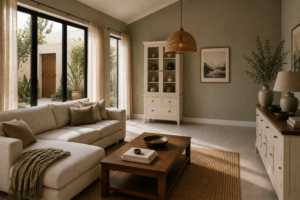
Have you ever looked at your room and wondered why it feels smaller than it actually is? The problem may not be the size of your home. It could be a furniture mistake that makes your home look smaller.
Even a spacious room can feel cramped when furniture is too large, too closely packed, or positioned without enough breathing room. This is particularly noticeable with solid wood furniture, where substantial pieces can have a strong visual presence.
The good news is that you do not necessarily need to remove half your furniture or renovate your home. Small changes to furniture size, spacing, placement, and visual balance can make a room feel significantly more open.
Here are the most common furniture layout mistakes to avoid.
The Biggest Furniture Mistake: Choosing Pieces That Are Too Large
One of the most common furniture mistakes that make your home look smaller is choosing furniture based only on whether it physically fits.
A sofa may technically fit against your wall, but that does not mean it is the right size for the room.
The same applies to dining tables, coffee tables, cabinets, beds, and display units.
When furniture takes up too much visual space, the room can quickly feel crowded. Large furniture can also restrict walking paths, block natural light, and make other pieces compete for attention.
Before buying a new piece, consider:
- The total width and depth of the furniture
- How much floor space will remain around it
- The position of doors and windows
- Walking paths
- The relationship between the furniture and other pieces
A well-proportioned piece can make a room feel comfortable. An oversized piece can make the same room feel significantly smaller.
Do Not Push Every Piece Against the Wall
It may seem logical to push furniture against the walls to create more floor space in the centre of the room.
However, this does not always make a room feel larger.
In some layouts, placing every piece directly against the wall can make the room feel disconnected and visually heavy around the perimeter.
Instead, consider creating intentional furniture groupings.
For example, a sofa can sit slightly away from the wall while facing a coffee table and armchair. This creates a defined living area while leaving a clear path around the space.
The goal is not to maximise empty floor space at all costs. The goal is to create usable negative space.
Leave Enough Space Between Furniture
Another furniture mistake that makes your home look smaller is placing pieces too close together.
A coffee table that is almost touching the sofa, dining chairs that cannot be pulled out comfortably, or a cabinet placed directly beside another bulky piece can make the room feel compressed.
Furniture needs breathing room.
You do not need to follow one universal measurement for every room, but there should be enough space for people to move naturally without constantly walking around furniture.
Think about the way you actually use the room.
Can you walk comfortably from the sofa to the dining area? Can someone pull out a dining chair without hitting a wall? Can cabinet doors and drawers open properly?
If the answer is no, the layout probably needs more space.
Avoid Blocking Windows and Natural Light
Natural light is one of the easiest ways to make a room feel open and welcoming.
Large cabinets, tall furniture, or sofas placed directly in front of windows can interrupt that feeling.
When possible, keep major windows visually open.
Instead of placing a tall cabinet in front of a window, consider using a lower sideboard or console. This allows more light into the room while still giving you useful storage.
This is especially helpful in smaller Singapore homes, where every source of natural light can make a difference to the overall atmosphere.
Use Height Strategically
Not all large furniture makes a room feel smaller.
The way furniture occupies vertical space matters too.
A tall, narrow cabinet can sometimes work better than a wide, low storage unit because it uses vertical space without taking up as much floor area.
This can be particularly useful when storage is necessary but floor space is limited.
For example, instead of adding several low cabinets across an entire wall, one carefully chosen display cabinet can provide storage while keeping more of the floor visually open.
The key is to avoid filling every available wall with furniture.
Be Careful With Too Many Furniture Pieces
Sometimes the problem is not one oversized piece.
It is simply too much furniture.
A living room might contain a large sofa, two armchairs, a coffee table, side tables, a TV cabinet, a display cabinet, a floor lamp, and several decorative pieces.
Individually, each item may look attractive. Together, they can overwhelm the room.
This is another furniture mistake that makes your home look smaller.
Before adding another piece, ask yourself:
Does this furniture serve a real purpose?
If the answer is unclear, you may not need it.
A room with fewer, well-chosen pieces often feels more sophisticated than a room filled with furniture.
Give Solid Wood Furniture Enough Breathing Room
Solid wood furniture brings warmth, texture, and character into a home. However, because solid wood pieces often have a substantial visual presence, their placement deserves extra attention.
A large solid wood cabinet can become a beautiful focal point when it has enough space around it.
Place the same cabinet between several other large pieces and the room may suddenly feel heavy.
This does not mean you should avoid solid wood furniture in smaller homes.
Instead, consider choosing pieces with:
- Slimmer proportions
- Open shelving
- Raised legs
- Glass doors
- Vertical designs
- Visually lighter frames
These details can help balance the natural weight of solid wood.
Match Furniture Scale Across the Room
Another furniture mistake that makes your home look smaller is mixing pieces with dramatically different proportions without a clear reason.
Imagine a compact sofa next to an oversized coffee table and a huge cabinet. The sofa can suddenly look too small, while the rest of the room feels crowded.
Instead, aim for a sense of proportion.
Your coffee table should relate to the size of your sofa. Your sideboard should suit the scale of your dining table. Your cabinet should complement the height and proportions of the surrounding furniture.
Furniture does not need to match perfectly.
It simply needs to feel like it belongs in the same visual conversation.
Create Clear Walking Paths
One of the easiest ways to make a room feel larger is to improve how people move through it.
Look at the main routes through your home.
For example:
Entrance → Living Room → Dining Area → Kitchen
If furniture interrupts these natural pathways, the room can feel smaller regardless of its actual dimensions.
Keep frequently used walkways clear and avoid placing furniture where people naturally need to pass.
This is particularly important in open-plan homes, where furniture placement can either connect different areas or make the entire space feel fragmented.
Use Open Space as Part of the Design
Empty space is not wasted space.
In interior design, negative space helps furniture stand out and gives the eye somewhere to rest.
This is especially important when decorating with solid wood furniture.
A beautiful mahogany cabinet, for example, can have much more impact when it is surrounded by enough space to appreciate its craftsmanship, colour, and natural wood grain.
Rather than asking:
“What else can I put here?”
Try asking:
“What can I leave empty?”
Sometimes the answer can completely change the way your room feels.
Choose Furniture Based on the Room, Not Just the Product
A furniture piece can look perfect in a showroom or catalogue but feel completely different inside your home.
This is because the surrounding space changes how we perceive size.
Before purchasing furniture, measure the room and mark the approximate dimensions on the floor. You can use masking tape to create an outline of the furniture.
This simple step lets you see whether the piece will leave enough room for movement.
Pay attention to:
- Sofa depth
- Cabinet width
- Dining table dimensions
- Door clearance
- Drawer clearance
- Walking space
- Ceiling height
- Window positions
A few minutes of planning can prevent an expensive furniture mistake that makes your home look smaller.
How to Make Your Home Feel More Spacious
If your room already feels crowded, you do not necessarily need to replace everything.
Start with the easiest changes.
Move furniture slightly away from high-traffic areas. Remove pieces that are rarely used. Create a clearer pathway between rooms. Replace one bulky piece with a slimmer alternative if necessary.
You can also create more visual openness by combining different furniture styles.
For example, a substantial solid wood cabinet can be balanced with lighter upholstered seating, open shelving, or furniture with raised legs.
The result is a room that still feels warm and substantial without becoming visually overwhelming.
The Best Furniture Layout Is Not About Having Less
A spacious-looking home does not necessarily need minimal furniture.
It needs intentional furniture.
Every piece should have a reason for being there, whether it provides seating, storage, functionality, or visual interest.
The biggest furniture mistake that makes your home look smaller is often not choosing the wrong style. It is choosing furniture without considering scale, proportion, spacing, and movement.
When these four elements work together, even substantial furniture can feel balanced.
And this is where solid wood furniture can work particularly well. Instead of filling a room with many smaller pieces, a few well-designed solid wood pieces can provide function and character while keeping the overall design cohesive.
A Better Approach to Furniture Layout
If your home feels smaller than it really is, take a second look at your furniture layout before blaming the size of the room.
The furniture mistake that makes your home look smaller is often a combination of oversized pieces, limited spacing, blocked pathways, and too many items competing for attention.
Start by creating more breathing room. Choose furniture according to the proportions of your space, keep natural light visible, and make sure there are clear paths through the room.
Most importantly, do not be afraid to leave some areas empty.
The right furniture should not make your home feel full. It should make your home feel complete.
For furniture designed to bring warmth, character, and lasting quality into your home, explore the collections at Home of Homes Singapore. From timeless British Colonial designs to elegant contemporary pieces, the collection offers solid wood furniture designed to work beautifully across different spaces and interiors.
Explore Home of Homes:
https://www.homeofhomes.com.sg/
Learn more about planning and designing functional living spaces:
https://www.architecturaldigest.com/?utm_source=chatgpt.com