
Uncategorized
Mahogany Furniture: 5 Signs of Quality Craftsmanship
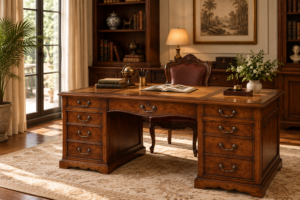
Mahogany furniture has a distinctive appeal: rich wood tones, elegant grain patterns and a timeless presence that works across generations of interior design. But when choosing a premium piece, colour alone does not tell you whether it is well made. Understanding mahogany furniture quality means looking beyond the surface to the details that influence its appearance, stability and long-term performance.
From the way the grain is selected to the precision of the joints and the quality of the final finish, good craftsmanship is visible in the details. These differences become especially important when buying a dining table, sideboard, display cabinet or other piece intended for everyday use.
Here are five details to look for when assessing mahogany furniture, whether you are furnishing a new home or investing in a timeless British Colonial interior.
1. Natural Wood Grain That Looks Rich and Consistent
One of the first things to examine is the wood grain. Mahogany is valued for its warm reddish-brown tones and fine to medium texture, although its exact colour and grain pattern vary depending on the species, cut and finish.
Well-selected timber has a natural character that adds depth to a furniture piece. The grain should complement the design rather than appear completely concealed beneath a heavy stain.
What to look for
Pay attention to these details when inspecting a piece of mahogany furniture:
- Natural grain variation: Genuine wood has individual patterns and subtle differences in tone. A perfectly uniform surface may indicate a printed wood effect or an opaque finish, although uniformity alone is not proof of poor quality.
- Thoughtful grain placement: On a dining table or cabinet, the direction of the grain should work with the furniture’s shape and proportions.
- Consistent colour: Natural timber can vary, but the overall colour should feel harmonious across the main surfaces.
- A sense of depth: The grain should remain visible through a transparent or translucent finish rather than looking flat and artificial.
It is also worth understanding the difference between solid wood and veneer. Veneer is a thin layer of real wood applied to a supporting material. It can be used effectively in well-made furniture, particularly when the maker wants to create a carefully arranged grain pattern. The important factors are the material specification, construction and workmanship—not simply whether the word “veneer” appears in the description.
Why it matters
Grain is a major part of mahogany’s visual appeal. When the timber is selected and arranged thoughtfully, it gives a dining table or sideboard a sense of character that suits both traditional and contemporary interiors.
For more information about material choices, read our guide: The Difference Between Solid Mahogany and Ordinary Wooden Furniture
https://www.homeofhomes.com.sg/the-difference-between-solid-mahogany-and-ordinary-wooden-furniture/
2. Precise Joinery That Keeps Furniture Stable
Beautiful timber is only one part of the equation. The way individual components are connected is equally important.
Joinery refers to the methods used to connect parts of a furniture piece, such as table legs, cabinet frames, drawer fronts and supporting rails. Good joinery helps a piece remain stable during everyday use and allows its components to work together as intended.
What to look for
When inspecting a dining table, cabinet or chest of drawers, check for:
- Tight, even joints: Connections should look neat, without obvious gaps or misaligned components.
- Stable legs and frames: Table legs should not wobble noticeably, and cabinet frames should feel secure.
- Smooth drawer movement: Drawers should open and close without excessive friction, tilting or catching.
- Secure structural connections: Components should fit together properly rather than relying on visible patches or poorly aligned fasteners.
Depending on the design, quality furniture may use traditional techniques such as mortise-and-tenon joints, dovetail joints or carefully engineered modern connections. Not every well-made piece needs the same joinery method; what matters is whether the construction is appropriate for its purpose.
Why it matters
A dining table may look impressive in a showroom, but its structural quality becomes more apparent with regular use. The same applies to sideboards and display cabinets that hold dinnerware, books or decorative objects.
Precise joinery supports the furniture’s everyday function while preserving the clean lines and proportions that make premium furniture appealing.
3. Construction Designed for Everyday Use
The third detail is the furniture’s underlying construction. A rich mahogany colour does not automatically mean that a piece is made entirely from solid mahogany.
Furniture can combine solid timber, veneer, plywood and other engineered materials. Each has different characteristics, and the most suitable construction depends on the furniture’s design and intended use.
What to look for
Before buying, ask the retailer about the materials used in the main components.
- Clarify the material specification: Find out whether the tabletop, legs, frame, cabinet doors and drawer fronts are solid mahogany, another timber, veneer or engineered material.
- Check the supporting structure: A dining table should feel balanced, with a frame and legs appropriate for its size.
- Inspect larger surfaces: Look for signs of poor alignment, lifting edges, visible damage or uneven panels.
- Consider how the piece will be used: A frequently used dining table has different practical requirements from a decorative display cabinet.
It is also important to ask which timber species is used. The term “mahogany” can refer to different species and, in some markets, other woods sold under related trade names. If the exact species matters to you, request clear product specifications rather than relying on colour alone.
Why it matters
Good construction balances appearance with function. It helps furniture feel dependable in daily life, whether it is used for family meals, entertaining guests or storing household essentials.
For Singapore homes, where furniture often needs to serve several purposes, this balance is particularly valuable. A dining table may double as a workspace, while a sideboard can provide storage without compromising the room’s overall design.
4. A Refined Finish That Enhances the Wood
The finish is the layer that protects the surface and influences how the wood looks and feels. On mahogany furniture, it can bring out the timber’s warmth, highlight its grain and create anything from a restrained satin appearance to a more polished traditional look.
However, a glossy surface is not necessarily a sign of superior craftsmanship. The quality of the preparation and application matters more than shine alone.
What to look for
Inspect the furniture in natural light if possible. Look for:
- An even appearance: The sheen and colour should be reasonably consistent across the surface, unless variation is an intentional design feature.
- A smooth touch: The finish should not feel unexpectedly rough, sticky or uneven.
- Visible wood character: Where a transparent finish is used, the grain should remain clear and attractive.
- Neat edges and details: Corners, mouldings and carved sections should not show careless finishing or obvious pooling.
- A finish suited to the furniture’s use: Dining tables and other frequently handled surfaces benefit from a finish designed for everyday wear and appropriate cleaning.
A quality finish also requires suitable maintenance. Use care products recommended by the retailer, wipe spills promptly and avoid harsh cleaning chemicals unless the manufacturer confirms they are safe for the surface.
Why it matters
The finish affects how mahogany interacts with light and the other materials in a room. A warm, polished surface can create a classic atmosphere, while a softer sheen can feel more understated and contemporary.
For a closer look at coordinating wood tones with your interior, explore our guide:
https://www.homeofhomes.com.sg/how-to-choose-the-right-wood-tone-for-your-flooring-and-walls/
5. Thoughtful Proportions and Craftsmanship in the Details
The final sign of quality is often the easiest to overlook: how well the entire piece has been designed and put together.
Premium furniture should feel considered from every angle. The proportions, hardware, decorative elements and smaller finishing details should work together rather than compete for attention.
What to look for
Examine the furniture as a whole, then look more closely at the details:
- Balanced proportions: Table legs, cabinet doors, drawer fronts and supporting frames should look appropriate for the overall size.
- Careful alignment: Doors, drawers and panels should sit neatly within their frames.
- Well-fitted hardware: Handles, hinges and other fittings should feel secure and suit the furniture’s design.
- Consistent detailing: Decorative mouldings, carved elements and edges should look intentional and neatly finished.
- A cohesive design: Every element should contribute to the piece’s appearance and function.
Craftsmanship does not always mean elaborate carving or ornate decoration. In many cases, quality is demonstrated by restraint: clean lines, carefully considered proportions and details that do not distract from the beauty of the timber.
Why it matters
These details are especially noticeable in British Colonial furniture. The style combines rich wood tones with structured forms, traditional detailing and an overall sense of balance. When the proportions and finish are well executed, the furniture feels elegant without making a room look overly formal.
This is one reason mahogany remains a natural choice for British Colonial-inspired dining rooms, living spaces and bedrooms.
How to Choose Mahogany Furniture for Your Interior
Once you know what to inspect, the next step is finding a piece that suits your home. Even well-made furniture needs to work with your space, lifestyle and preferred interior style.
For a British Colonial interior
Choose mahogany furniture with rich, warm finishes and well-defined proportions. Pair it with light-coloured walls, natural textures, woven accents or neutral upholstery to balance the depth of the wood.
A mahogany dining table can serve as the room’s focal point, while a matching sideboard or display cabinet introduces continuity without requiring every piece to be identical.
For a contemporary home
Mahogany can also work in a modern interior. Keep the surrounding palette relatively simple, with clean-lined seating, restrained accessories and lighter materials.
Rather than filling the room with dark furniture, choose one or two key pieces to establish warmth and character.
For smaller Singapore homes
Consider the visual weight of each piece. A large, dark cabinet may dominate a compact room, while a carefully proportioned dining table can provide a strong focal point without overwhelming the space.
Measure the room, allow enough clearance around dining chairs and consider how daylight changes the appearance of the finish throughout the day.
If you are planning a dining room, browse the Home of Homes dining collection:
https://www.homeofhomes.com.sg/product-category/dining/
Common Mistakes to Avoid When Buying Mahogany Furniture
Even when a piece looks attractive, a few simple checks can help you make a more informed decision.
Choosing by colour alone. A reddish-brown finish does not prove that a piece is made from mahogany. Ask about the timber species and construction.
Assuming every veneer piece is poor quality. Veneer can be used in carefully designed furniture. Focus on the complete material specification and how the piece is constructed.
Treating high gloss as proof of quality. A smooth, consistent finish is more meaningful than shine alone.
Ignoring the underside and interior. When possible, inspect the underside of a table, the inside of a cabinet and the edges of drawers. These areas can reveal details about construction that are less visible from the front.
Overlooking aftercare. Ask how to clean the finish, whether direct sunlight should be avoided and what precautions are recommended for humid environments.
Buying without checking dimensions. A beautiful dining table may still be unsuitable if it leaves too little space to pull out chairs or move comfortably around the room.
Is Premium Mahogany Furniture Worth the Investment?
The value of premium mahogany furniture lies in the combination of material, construction, design and care. A well-made piece can provide years of everyday use while retaining a style that remains relevant as interior trends change.
The best choice is not necessarily the most ornate or expensive option. It is the piece whose materials are clearly specified, construction suits its purpose, finish is carefully executed and design works with your home.
For homeowners who appreciate traditional detailing and rich wood tones, mahogany furniture is particularly well suited to the enduring appeal of British Colonial interiors.
Discover Mahogany Furniture at Home of Homes Singapore
At Home of Homes, we believe furniture should bring together thoughtful design, quality materials and lasting style. Our British Colonial-inspired collection offers a way to introduce the warmth of rich wood tones and classic proportions into your home.
Whether you are furnishing a dining room, adding a statement sideboard or creating a cohesive living space, take time to consider the material, construction and details that matter to you.
Explore our collections and find furniture that complements your home:
https://www.homeofhomes.com.sg/
Frequently Asked Questions
How can I tell if mahogany furniture is good quality?
Look at the wood grain, joinery, construction, finish and overall detailing. Ask the retailer which timber species and materials are used, and check that the furniture feels stable and its components are neatly aligned.
Is solid mahogany better than mahogany veneer?
Neither is automatically better in every situation. Solid mahogany offers natural timber throughout the relevant component, while well-made veneer furniture can provide attractive grain patterns and practical construction. The right choice depends on the design, intended use, material specification and workmanship.
Does mahogany furniture suit modern interiors?
Yes. Its warm tones can complement modern spaces, particularly when balanced with light walls, simple upholstery, contemporary lighting and restrained accessories.
Is mahogany furniture suitable for Singapore’s climate?
Mahogany furniture can be used in Singapore homes, but all wood furniture responds to changes in temperature and humidity. Keep pieces in a reasonably stable indoor environment, clean spills promptly and follow the manufacturer’s care guidance.
What is the difference between mahogany furniture and British Colonial furniture?
Mahogany describes a type of timber or a wood trade category, while British Colonial refers to an interior and furniture style. Mahogany is often associated with British Colonial furniture because its rich tones complement the style’s traditional forms and lighter natural accents.