
Uncategorized
What Makes a Good Quality Sofa? 8 Things to Check
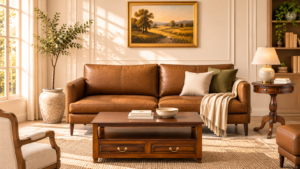
A sofa is one of the most frequently used pieces of furniture in a home. It is where you relax after a long day, spend time with family, entertain guests and enjoy quiet moments. Since it is also a significant furniture investment, choosing the right one involves more than finding a design or colour you like.
A good quality sofa should offer a balance of comfort, durability, supportive construction and materials that suit your lifestyle. Two sofas may look similar in a showroom, but their internal frames, suspension systems and cushion fillings can make a considerable difference to how they perform over time.
Whether you are considering a classic leather sofa, a comfortable fabric two-seater or a spacious sectional, knowing what to look for can help you make a more informed decision.
Here are eight important things to check before buying a sofa.
1. Check the Sofa Frame and Overall Construction
The frame is the foundation of a sofa. It supports the seat, backrest and armrests while maintaining the furniture’s overall shape.
A well-constructed frame should feel stable and secure. Poor construction can lead to movement, creaking or structural problems as the sofa is used.
When comparing sofas, ask about the frame materials and how the different components are joined together.
Look for:
- A sturdy structural frame made from suitable hardwood, quality engineered wood or metal, depending on the design
- Reinforced joints and corners
- Secure connections between the arms, back and seat structure
- Adequate support beneath the seating area
- A frame that feels stable rather than loose or flexible
The material alone does not determine quality. The construction method, reinforcement and workmanship are equally important.
What to check in the showroom: Gently press the armrests and backrest. They should feel secure without excessive movement. Listen for unusual creaking and check whether the sofa feels stable when you sit down.
2. Pay Attention to the Suspension System
The suspension system sits beneath the seat cushions and helps distribute body weight across the sofa.
It plays an important role in how supportive the sofa feels and how well it maintains its seating comfort with regular use.
Common suspension systems include:
Sinuous springs
These are S-shaped metal springs fitted across the sofa frame. They provide support and flexibility and are commonly used in upholstered sofas.
Pocket springs
Individual springs are enclosed in fabric pockets. Depending on the sofa’s construction, they can provide more individually responsive support.
Elastic webbing
Webbing consists of strong, flexible straps attached across the seat frame. Its performance depends on the material, spacing, tension and quality of installation.
There is no single suspension system that guarantees a better sofa. The quality of the materials and how the system is fitted are important.
What to check in the showroom: Sit in different areas of the sofa rather than testing only the centre. The support should feel reasonably consistent across the seats, without obvious dips, unusual noises or areas that feel unsupported.
3. Evaluate the Cushion Filling and Support
The cushions have a direct influence on how comfortable a sofa feels.
Some people prefer a firm seat that provides more structured support, while others enjoy a softer cushion that allows them to sink in. Neither is automatically better. The important consideration is whether the filling suits your comfort preferences and maintains its shape with use.
Common cushion fillings include:
High-density foam
Foam provides the main support within many sofa cushions. Its density, firmness and resilience influence how it performs over time.
High-resilience foam
This type of foam is designed to recover its shape after pressure is removed. It is often used in seat cushions where regular support is important.
Fibre filling
Fibre creates a softer, more relaxed feel and is commonly used in back cushions or as a comfort layer around foam.
Feather or down blends
These fillings can create a plush, relaxed appearance and feel. They generally require more regular plumping and maintenance to keep the cushions looking even.
Some sofas combine different materials to balance support and softness.
What to check in the showroom: Sit on the sofa for several minutes. Notice whether the seat feels supportive, whether you sink too deeply and how quickly the cushion recovers after you stand up. Ask whether the cushions are removable, reversible or designed to be rotated.
4. Choose Upholstery That Suits Your Lifestyle
The upholstery is one of the most visible parts of a sofa, but it also affects maintenance, durability and everyday comfort.
The two popular options are fabric and leather. Each offers different advantages, so the right choice depends on how you use your living room.
Fabric Sofas
Fabric sofas are available in a wide range of colours, textures and finishes. They can create a relaxed, inviting appearance and work well with different interior styles.
Advantages include:
- A wide selection of colours and textures
- Options ranging from casual to formal designs
- A softer, more varied tactile experience
- The ability to complement different decorative styles
However, fabric performance varies. Some materials are more resistant to abrasion, staining and pilling than others. Ask about the fabric composition, cleaning instructions and any available performance specifications.
Explore the Home of Homes Fabric Sofa Collection.
Leather Sofas
Leather sofas offer a distinctive appearance, with natural texture and character that can develop over time.
Depending on the leather type and finish, they can be relatively straightforward to wipe clean and maintain. They are available in different colours, from warm brown and tan to darker contemporary shades.
Advantages include:
- A refined appearance
- Natural variations in texture and finish
- Easy removal of many everyday surface spills when handled promptly
- Compatibility with both classic and contemporary interiors
However, leather types differ in quality, feel and maintenance requirements. Ask whether the upholstery is full-grain, top-grain, corrected-grain or another leather type, and whether any sections use synthetic matching materials.
Leather can also feel cooler or warmer depending on the room temperature and environment.
Explore the Home of Homes Leather Sofa Collection.
Fabric vs Leather: Which Should You Choose?
Fabric may suit households that prefer a softer appearance and more choice in colour and texture. Leather may appeal to those who prefer its distinctive surface and relatively simple everyday surface cleaning.
Consider your household, pets, children, cleaning preferences and the amount of use the sofa will receive before making a decision.
5. Inspect the Stitching, Seams and Finishing
Small finishing details can reveal a lot about the workmanship of a sofa.
Even when the frame and cushions are well constructed, uneven stitching or poorly finished upholstery can affect the overall appearance.
Pay attention to:
- Straight, consistent stitching
- Neat seams without loose threads
- Evenly fitted upholstery
- Consistent cushion shapes
- Securely attached fabric or leather
- Neat piping and decorative details
- Proper alignment between different upholstered sections
For patterned fabric, check whether the pattern is aligned across adjoining sections where the design allows.
On leather sofas, look for consistent stitching and carefully finished seams. Natural variations in leather texture and colour are normal, but the overall workmanship should still look considered.
What to check in the showroom: Examine the sofa from the front, sides and back. Look closely at the areas where the arms, cushions and backrest meet. These details are particularly important if the sofa will be positioned in the centre of an open-plan living room.
6. Consider Seat Depth, Height and Back Support
A sofa can look beautiful but still be uncomfortable if its proportions do not suit the people using it.
Seat depth, seat height, backrest height and armrest design all affect how you sit.
Seat Depth
Seat depth determines how much room you have between the front of the cushion and the backrest.
A shallower seat can be more suitable for upright sitting, while a deeper seat may appeal to people who prefer lounging or sitting with their legs tucked up.
Seat Height
Seat height affects how easily you can sit down and stand up. A seat that is too low or too high may feel uncomfortable depending on your height and mobility.
Backrest Support
The backrest should support your preferred sitting position. Some sofas have structured back cushions for a more upright feel, while others feature softer, deeper cushions for relaxed lounging.
Armrest Design
Armrests can influence both comfort and the sofa’s overall proportions. Wide arms may provide additional support but can also reduce the available seating width.
What to check in the showroom: Sit naturally rather than adjusting your posture to fit the sofa. Keep your feet on the floor if that is your preferred sitting position, lean back and check whether the backrest supports you comfortably.
7. Choose the Right Sofa Size and Configuration
The size and configuration of a sofa should suit the room as well as the number of people using it.
A large sofa may offer generous seating, but it can overwhelm a smaller living room. A compact two-seater may fit neatly into an apartment but provide limited space for a larger household.
Consider the main sofa configurations:
Two-Seater Sofas
A two-seater is suitable for smaller living rooms, apartments or as additional seating alongside a larger sofa.
It can also work well in a reading area or secondary living space.
Three-Seater Sofas
A three-seater offers more seating while maintaining a relatively straightforward layout. It can serve as the main sofa in many living rooms.
L-Shaped and Sectional Sofas
Sectional sofas provide more seating and can help define a living area in an open-plan layout.
An L-shaped design can fit into a corner, making use of space that might otherwise remain unused. Before choosing one, check the direction of the chaise or corner section and make sure it suits your room layout.
Measure Before You Buy
Before purchasing, measure:
- The available width and depth of the living room
- The sofa’s overall dimensions
- The space needed for coffee tables and side tables
- Walking routes around the furniture
- Doorways, corridors, staircases and lift dimensions along the delivery route
A useful approach is to mark the sofa’s footprint on the floor using masking tape. This helps you visualise its size before committing to the purchase.
8. Check the Warranty, Care Requirements and After-Sales Support
A sofa is a long-term furniture purchase, so it is important to understand what support is available after delivery.
Before buying, ask about the warranty and what it covers.
Check whether the warranty applies to:
- The structural frame
- The suspension system
- Cushion components
- Upholstery materials
- Manufacturing defects
Warranty coverage varies between retailers and sofa models, so always read the actual terms rather than assuming every component has the same protection.
You should also understand the care requirements.
Fabric upholstery may require vacuuming, spot cleaning or professional cleaning depending on its composition. Leather generally benefits from appropriate cleaning products and periodic conditioning where recommended by the manufacturer.
Ask whether replacement cushion covers, upholstery repairs or spare components are available.
A clear understanding of maintenance and after-sales support can make owning the sofa more straightforward over time.
Frequently Asked Questions About Sofa Quality
1. How can you tell if a sofa is good quality?
Start by checking the frame, suspension, cushion filling and upholstery. A good quality sofa should feel stable, provide consistent seating support and have neat finishing. Ask the retailer about the materials and construction rather than judging the sofa by its appearance alone.
2. What is the best frame material for a sofa?
Suitable hardwood, quality engineered wood and metal can all be used in well-constructed sofa frames. The quality of the material, joinery and reinforcement matters more than the material name alone. Ask about the specific frame construction of the model you are considering.
3. Is high-density foam better for sofa cushions?
High-density foam can provide durable support, but density and firmness are not the same thing. Comfort also depends on the foam’s resilience, construction and combination with other filling materials. It is best to test the cushion and ask for its specifications.
4. Are leather sofas better than fabric sofas?
Neither is universally better. Leather offers a distinctive finish and can be relatively easy to wipe clean, while fabric provides more variety in texture and colour. The best option depends on your comfort preferences, household and maintenance expectations.
5. How do I know if a sofa cushion will sag?
Ask about the cushion filling, foam specifications and suspension system. In the showroom, sit on different sections and check whether the cushions feel evenly supportive. Notice how they recover after you stand up. Regular maintenance and following the manufacturer’s care instructions can also help preserve their appearance.
6. What should I check when buying a sofa online?
Review the full dimensions, upholstery details, frame and cushion specifications, available photographs and warranty terms. Ask for additional product information or fabric samples where available. Also measure your delivery route before placing an order.
7. How long should a good quality sofa last?
There is no fixed lifespan for every sofa. Its longevity depends on construction, materials, frequency of use, maintenance and household conditions. A well-maintained sofa with sound construction may remain in use for many years, but individual components can wear at different rates.
Find a Sofa That Combines Comfort and Quality
Choosing a good quality sofa means looking beyond its shape, colour and first impression. The frame, suspension, cushions, upholstery and finishing all contribute to how it feels and performs in everyday use.
Whether you prefer the warmth of a brown leather sofa, the relaxed appearance of a fabric two-seater or the generous seating of an L-shaped sectional, take the time to compare the construction and comfort of each design.
At Home of Homes, explore a selection of fabric and leather sofas in different styles and configurations. Consider the proportions, upholstery and seating comfort that best suit your living space.
Browse our collections:
Find a sofa that feels right for your home and works for the way you live.