
Uncategorized
How to Choose the Perfect Sideboard for Your Dining Room?
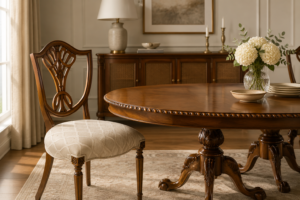
A dining table may be the centrepiece of your dining room, but it’s rarely the only piece that makes the space functional. If you’ve ever struggled to find a place for dinnerware, serving platters, table linens, or even your favourite decorative pieces, a sideboard could be exactly what your dining room is missing.
Often overlooked, a dining room sideboard combines storage with style. It keeps everyday essentials within easy reach while adding warmth, balance, and personality to the room. Whether you’re furnishing a spacious landed home or a compact condominium, choosing the right sideboard can make your dining area feel more organised and complete.
So, how do you know which one is right for your home? Here are the key things to consider before making your decision.
What Is a Dining Room Sideboard?
A sideboard is a low storage cabinet traditionally placed against the wall in a dining room. While it was originally designed to store dining essentials and provide extra serving space during meals, today’s sideboards have become one of the most versatile furniture pieces in the home.
Many homeowners use them to organise:
- Dinnerware
- Glassware
- Table linens
- Cutlery
- Serving bowls and platters
- Small kitchen appliances
The top surface also creates the perfect place to display artwork, fresh flowers, candles, or family photographs.
Why Every Dining Room Needs a Sideboard
Storage is the obvious benefit, but a sideboard offers much more than extra cabinets.
A well-chosen sideboard helps create a cleaner dining environment by keeping everyday items neatly tucked away. Instead of leaving serving dishes or table accessories on your dining table or kitchen countertop, everything has its own dedicated place.
It also makes entertaining easier. When hosting family dinners or celebrations, you can use the surface to serve food, prepare drinks, or display desserts without overcrowding the dining table.
At the same time, a beautifully designed sideboard adds visual balance, making your dining room feel thoughtfully finished.
Start with the Right Size
Choosing the correct size is one of the most important steps.
A sideboard that is too large can overwhelm the room, while one that is too small may look out of proportion and offer limited storage.
As a general guideline, your sideboard should usually be shorter than your dining table to create a balanced look. Most dining room sideboards range between 120 cm and 180 cm wide, depending on the available wall space and table size.
It’s equally important to leave enough space for people to move comfortably around the furniture. Aim for at least 90 cm of clearance between the sideboard and the dining table where possible.
Think About What You Need to Store
Before choosing a design, consider how you’ll actually use it.
If your goal is to organise dinnerware and glassware, cabinets with adjustable shelves offer flexibility.
If you frequently host guests, drawers can be useful for storing cutlery, table runners, napkins, and serving utensils.
Some homeowners even dedicate part of their sideboard to coffee accessories, wine collections, or small appliances, making entertaining much more convenient.
Choosing a layout that suits your lifestyle will ensure your sideboard remains useful for years to come.
Choose a Style That Complements Your Home
A common misconception is that every dining furniture piece needs to match perfectly.
In reality, professionally designed interiors often mix complementary materials, finishes, and colours to create a more relaxed and sophisticated look.
Whether your home features a contemporary, Scandinavian, British Colonial, French Contemporary, or modern classic interior, your sideboard should feel connected to the overall design rather than identical to every other furniture piece.
The goal is harmony—not uniformity.
Why Material Matters
A sideboard is typically a long-term purchase, so material quality should never be overlooked.
Solid wood remains one of the most popular choices because it combines durability with timeless beauty. Natural wood grain adds warmth and character that manufactured materials simply cannot replicate.
Unlike many lower-quality alternatives, solid wood also ages gracefully, developing a richer appearance over time while maintaining its structural strength.
If you’re interested in learning more, read our guide on Why Solid Wood Furniture Ages Beautifully Over Time.
Style the Top Without Creating Clutter
One of the best things about a sideboard is that it doubles as a display surface.
However, less is often more.
A few carefully selected decorative pieces usually create greater impact than filling every available space.
Popular styling ideas include:
- A large mirror
- Framed artwork
- Ceramic vases
- Fresh greenery
- Table lamps
- Candles
Keeping the arrangement simple allows the sideboard to remain practical while adding personality to the room.
Where Should You Place a Sideboard?
Most sideboards are positioned along the wall behind or beside the dining table, but they’re surprisingly versatile.
Depending on your home’s layout, they can also work well:
- Between the kitchen and dining room
- Along an open-concept living and dining space
- Against an empty feature wall
- Beside large windows
In open-plan homes, a sideboard can even help define the dining area without requiring permanent partitions.
For more inspiration, explore our article:
Open Concept Living and Dining: Best Furniture Choices
Common Mistakes to Avoid
Even a beautiful sideboard can feel out of place if it’s not chosen carefully.
Some of the most common mistakes include:
- Buying a sideboard that’s too large for the room
- Prioritising appearance over storage
- Blocking walkways
- Over-decorating the surface
- Ignoring room proportions
Taking accurate measurements before purchasing will help you avoid costly mistakes and ensure your furniture fits comfortably within the space.
Pair Your Sideboard with the Right Dining Table
A sideboard should complement your dining table, not compete with it.
When paired thoughtfully, these two furniture pieces create a dining room that feels balanced, practical, and inviting.
If you’re currently choosing a dining table, you may also enjoy reading:
Why Your Next Dining Table Should Be Solid Wood
Complete Your Dining Space with Home of Homes Furniture
The right sideboard can completely transform your dining room by adding practical storage while enhancing the overall aesthetic.
At Home of Homes Furniture, our dining collection features beautifully crafted sideboards, dining tables, and dining chairs designed to suit a wide range of interior styles. Every piece combines quality craftsmanship with timeless design, making it easy to create a dining space you’ll enjoy for years to come.
Browse our dining collection here: